

Wuyi GABA Oolong – when the “rocky echo” of the Wuyi Mountains meets a modern, oxygen-poor (GABA) processing. The result: a silky, dessert character, roasted depth, and a subtly playful, fruity acidity that keeps you awake throughout the sip.
What is the GABA process?
GABA (gamma-aminobutyric acid) is naturally present in tea leaves, but certain processing steps – typically those carried out in an anaerobic/oxygen-poor environment – can significantly increase its levels. The essence of the method is that the leaves are periodically placed in an oxygen-free environment during processing (some workshops use vacuum/air cycles), which also creates the characteristic “GABA-oolong” flavor.
A small clarification: when it comes to the name "GABA tea" in the literature and commercial practice, you often come across minimum values (e.g. 150 mg/100 g), but the exact value of each item may vary depending on the producer and laboratory test.
Flavor – what to expect in your cup?
- Aroma: roasted malt cake/bread crust, peach compote, butterscotch atmosphere.
- Taste: creamy apricot jam, almond syrupiness, coconut cream sweetness, honey candy – with a delicate woody-mineral finish in the background.
- Texture: silky, oily, medium-bodied – a very “comfortable” sip.
- Finish: juicyly sweet, slightly cooling, with a hint of crisp dryness at the end.
Who do we recommend it to?
- If you love the roasted, deep tones of Wuyi oolongs, but now you're craving something creamier, more dessert -y.
- If you're looking for a "calming, slowing down" evening tea experience - but important: the tea contains caffeine, so everyone should time it according to their own sensitivity.
- It's also great as a gift: easy to love, round, "friendly in every sip."
Preparation
Gongfu (recommended)
- Dosage: 5–6 g / 100 ml
- Water: 95–99 °C
- Soak: 15–20 seconds, then +5 seconds per infusion
- Number of rounds: 8–10 (even more for good cards)
Western method
- Dosage: 3 g / 300 ml
- Water: 95–98 °C
- Soak: 2 minutes, then +30–45 seconds
- Number of rounds: 3–4
Cold brew
- Dosage: 6 g / 1 liter of cold water
- Time: 6–8 hours in the refrigerator
- Tip: after filtering, let it sit for another 10 minutes – it will be wonderfully silky.
Note: The above description follows the style of the source provided and the general principle of GABA processing; no health claims are made, the focus is on the experience and sensory profile of the tea.
Personal contact
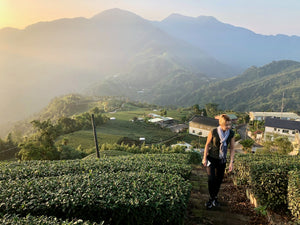
Our teas don't come from wholesale warehouses or unknown sources. We travel to the small producers we source from – whether it's a Japanese family tea garden, a Chinese mountain village or an oolong maker in Taiwan.
Stories
We meet them in person, learn their story, see how they care for their plants, and how they process the fresh leaves.
These experiences are the soul of our teas. This way, not only is the quality guaranteed, but also the fact that behind each cup there is a real person, a real story.
Direct
This direct relationship is valuable to us. Not only because of the excellent tea, but because we believe that trust, respect and personal presence are what make the tea drinking experience truly special.
Teavolution Tea Blog

Shincha - Japan's First Tea of Spring
Read more

What is shading in Japanese tea? | Matcha, Gyokuro, Kabusecha
Read more

Oct 2, 2025
Sencha tea
Read more
Sep 21, 2025
Matcha shortage in Japan
Read more
Mar 18, 2025
Puer tea, puerh or pu-erh
Read more
Mar 18, 2025
Types of tea
Read more
