
How to make tea in a glass teapot?
How to make tea in a glass pot (Eilong 250 ml)
The glass jug is a clean, neutral tool: it doesn't take on the flavor of the teas, and you can clearly see the opening of the leaves and the color of the cup, making it a particularly useful choice for learning and tasting. The steps below have been optimized for a 250 ml Eilong glass jug. (Borosilicate glass is more resistant to heroes due to its low thermal expansion, but gradualness is important here too.)
Required tools
-
250 ml glass teapot (Eilong, borosilicate glass)
-
Fresh, filtered water and kettle (temperature control is a plus)
-
Kitchen scale (accurate to the gram)
-
Cup(s), optional serving jug
-
Fine tea strainer (if the kettle does not include a filter)
Note: The official specification for the Eilong 250ml “Classical” glass jug is: 250ml borosilicate glass.
Step by step
1) Preheating, rinsing.
Rinse and preheat the pot and cup with hot water. This will stabilize the temperature and make the steeping more precise. (The original clay pot method also recommends preheating – it’s also worth doing with glass.)

2) Measuring tea.
Measure the tea (see ratios below). A scale will give you consistency, regardless of leaf shape.

3) Enema of leaves.
Pour the leaves into the warm carafe – the warmed glass will help release the scents right from the start.

4) (Optional) Short rinse, wake-up
For oolong and puerh teas, a 1-2 second “short rinse” warms the leaves and removes any dust particles. For green and white teas, this can usually be omitted.
5) Adding water, soaking.
Pour the water in a circular motion to evenly wet the leaves. Rolled leaves usually require slightly hotter water and a longer time , while twisted leaves require slightly cooler water and a shorter time .

6) Complete casting.
After the time is up, pour the pot completely into the cup(s) or a small pitcher – this way the leaves don’t overcook until the next pour.

7) Re-soaking.
You can make multiple infusions with the same leaves. The 2nd infusion time can be the same as the first, add +30–60 seconds for the 3rd. Taste and adjust!

Basic proportions and temperatures (for 250 ml)
-
Oolong: 5–6 g · 95–100 °C · 1–2 minutes (wuyi and dancong: ~1 minute; Taiwanese type: ~2 minutes).
-
Black (red) tea: 3–4 g · 95–100 °C · 2–3 minutes.
-
Green tea: 3–4 g · 75–85 °C · 1–2 minutes.
-
White tea: 3–4 g · 85–90 °C · 2–3 minutes. (Experienced guideline.)
-
Sheng / Shu puer: 4–5 g · 95–100 °C · 1st infusion 1–2 minutes; short rinse recommended.
Tip: The ranges above are starting points – the freshness of the tea, its processing, and personal taste require fine-tuning.
Why is glass good?
-
Neutral, non-porous: does not take on or retain the taste/aroma of previous teas, easy to switch between tea varieties.
-
Visibility: you can visually follow the opening of the leaves and the color of the brew - ideal for learning.
-
Heat resistance (borosilicate): due to its low thermal expansion, it withstands temperature differences better than ordinary glass.
-
Easy to clean: rinsing with warm water is usually sufficient; it does not require “seasoning” like some clay tools.
Safety and maintenance
-
Avoid thermal shock: do not expose the kettle to sudden, extreme temperature changes (e.g. ice-cold counter → boiling water). Always preheat.
-
Stovetop: Only place over direct heat if the manufacturer specifically states so (many glass jars are not stovetop-safe; Eilong has some specifically “stovetop-safe” models, but it depends on the model).
-
Cleaning: A hot water rinse is usually sufficient; avoid strong detergents, especially if you often taste delicate greens.
What has changed compared to the original (clay pot) guide?
-
The steps of preheating, precise measurement, complete pouring, and multiple pouring have been retained because they are also crucial for glass.
-
We have adapted the temperature and time recommendations to the 250 ml glass pot; we have highlighted that there is no "seasoning" in glass and that it is easier to switch between tea types.
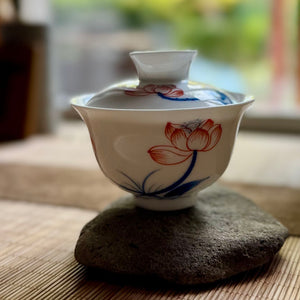
Making tea in a Gaiwan
Brewing tea in a gaiwan is one of the most elegant and ancient forms of Chinese tea culture. This method allows us to discover new layers of flavor in the tea with each pour.
Making tea in a clay teapot
Brewing tea in a clay teapot adds a special depth and roundness to the drink, especially for oolong, puer or black teas. This traditional method enriches not only the tea, but also the tea-drinking experience.
Making cold brew tea
Cold brew tea is a refreshing, smooth and naturally sweet alternative to hot water brews. It's easy to make and ideal for summer days or on the go.
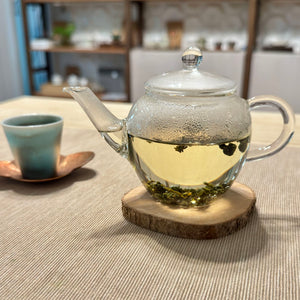
Making tea using a French press
A French press is a great tool not only for coffee but also for tea – fast, convenient and surprisingly efficient. It is the ideal choice for those who simply want to get the most out of their loose teas.
