


Mei Zhan (梅占) – Wuyi rock oolong
There is a kind of tea that is not loud, yet resonates for a long time. Mei Zhan is one of them: delicately floral, fruity and clean, with the mineral depth of the Wuyi Mountains working in the background. The heat of the roasting does not oppress, but provides a framework – and this makes the cup both calm and exciting.
Mei Zhan is a special tea plant variety that originated in southern Fujian and then showed its new face in the rocky microclimate of the Wuyi Mountains. The essence of the “rock oolong” (yancha) style is that the tea is fragrant, layered, and has a long, mineral-like finish.
Smell & taste
- Aroma: plum blossom, orchid, slight rose tones; subtle, sweet-woody warmth from the roasting
- Taste: fruity purity (plum sensation), creamy hazelnut, elegant sweetness
- Texture: smooth, neat, medium-full; sits nicely on the tongue
- Finish: long-lasting, mineral-"rock" character (yan yun), with a slightly floral aftertaste
Note: Mei Zhan beautifully demonstrates what it means that the same tea tells a different story every time it is poured – as if we were listening to the same story from multiple perspectives.
Who do we recommend it to?
- If you like the mineral, long finish of yanchas, but don't want too much of a "smoky" character.
- If you're looking for something more floral, purer, alongside the spiciness of Rou Gui or the deep, woody world of Shui Xian.
- If you want a tea that can be layered in the gongfu method and withstands pouring nicely.
Preparation – detailed instructions
1) Gongfu (recommended – this shows the most)
- Teapot: porcelain gaiwan for a “clear image”, or yixing clay (zhuni for a larger, fragrant cup, zini for a softer, rounder feel)
- Dosage: 6–7 g / 100 ml
- Water: 95–100°C, preferably with softer mineral content
- Rinsing: 1 quick rinse recommended (optional), then pour out immediately
- Push-ups: start with 5–7 seconds, then gradually increase (e.g. 7–10–12–15… seconds)
- How many rounds? With a good setup, it typically produces 6–9 pours
Tip: if the scent is too “closed”, give the first 1-2 pours a little more time (a few seconds). If the roasting sensation is too strong, reduce the dose and stick to shorter pours.
2) Western method (in a can – convenient yet elegant)
- Teapot: porcelain or glass pot
- Dosage: 3–4 g / 250 ml
- Water: approx. 95°C
- Soaking: 2–3 minutes
- Re-pouring: works 2–3 times (an extra 30–60 seconds may be enough for the 2nd pour)
Tip: if you want a silkier, sweeter cup, go down to 90–93°C and hold for around 2 minutes.
3) Cold brew (cold steeping – summer “quiet”)
- Ratio: 1 g / 100 ml
- Preparation: in room temperature water for 3–4 hours, or in the refrigerator for 7–8 hours
- Filtering: it is best to consume within 24 hours after filtering.
Tip: with cold brew, the floral-fruity notes come forward, and the roasting takes a back seat – a very nice, clean profile.
Storage
Store in a cool, dry place, away from light and strong odors. If possible, it feels best in a sealable bag/box or ceramic container.
A few more thoughts about this tea
Mei Zhan is one of the subtle "hidden favorites" of the yancha world: it doesn't always want to be the main character - yet if you pay attention to it, it opens up nicely and stays with you for a long time in the aftermath.

Personal contact
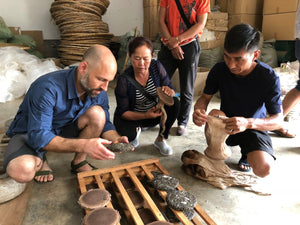
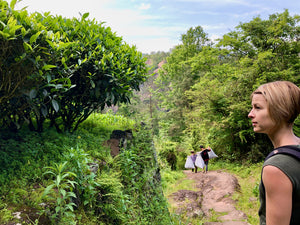
Our teas don't come from wholesale warehouses or unknown sources. We travel to the small producers we source from – whether it's a Japanese family tea garden, a Chinese mountain village or an oolong maker in Taiwan.
Stories
We meet them in person, learn their story, see how they care for their plants, and how they process the fresh leaves.
These experiences are the soul of our teas. This way, not only is the quality guaranteed, but also the fact that behind each cup there is a real person, a real story.
Direct
This direct relationship is valuable to us. Not only because of the excellent tea, but because we believe that trust, respect and personal presence are what make the tea drinking experience truly special.
Teavolution Tea Blog

Shincha - Japan's First Tea of Spring
Read more

What is shading in Japanese tea? | Matcha, Gyokuro, Kabusecha
Read more

Oct 2, 2025
Sencha tea
Read more

Sep 21, 2025
Matcha shortage in Japan
Read more
Mar 18, 2025
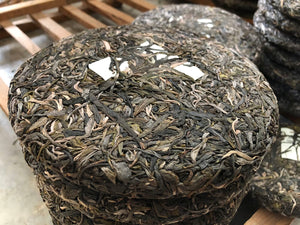
Puer tea, puerh or pu-erh
Read more
Mar 18, 2025
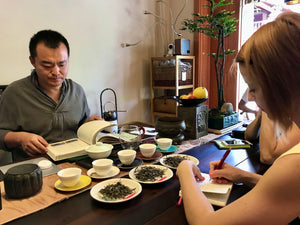
Types of tea
Read more
