
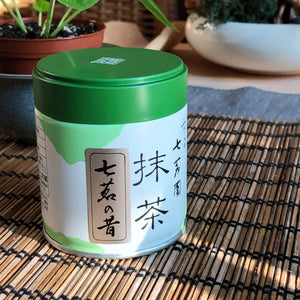


Matcha Shichimei no Mukashi - Ceremonial Grade
Tax included
Shipping calculated at checkout
Shichimei no Mukashi - Horii Shichimeien, Uji
Shichimei no Mukashi is a refined, ceremonial-quality uji matcha: silky, creamy in the mouth, pure sweetness and long-lasting umami. Horii Shichimeien has been making traditional matcha teas for generations.
Origin & producer
Japan, Kyoto Prefecture, Uji. Horii Shichimeien selects from historic Uji tea gardens, using traditional processing and modern quality control to ensure consistent, high standards.
Processing
Shaded cultivation → picking → steaming → drying ( tencha ) → gentle, slow stone-milling (matcha). Shade enhances umami and natural sweetness, while stone-milling preserves the silky fineness of the powder.
Flavor profile
- Aroma: fresh, green, delicately marine (nori), with soft creamy tones.
- Taste: round and creamy; sweet umami, slight nutty/chestnut notes, minimal tartness.
- Aftertaste: clean, long, velvety sensation.
- Body: fine, foamy in usucha; dense, shiny, creamy in koicha.
Preparation
Usucha (thin tea): sieve ~2 g matcha (1.5–2 cups), add 60–80 ml of water at ~70–75 °C. First, slowly whisk, then froth with a quick “W” motion for 15–20 seconds.
Koicha (thick tea): sieve 3–4 g of matcha, add 20–30 ml of water, ~80–85 °C. Instead of frothing, slowly “knead” until creamy; the goal is a thick, varnish-like, foam-free texture.
Who do we recommend it to?
- Those looking for a soft, harmonious, bitterness-free matcha for everyday ceremonial consumption.
- For those who want to try both the usucha and koicha styles with the same item.
Storage
After opening, close tightly. Store in a cool, dark place (refrigerate in summer). Allow to warm to room temperature before use to prevent condensation.
Ingredients
100% ground green tea ( Camellia sinensis ), without additives.
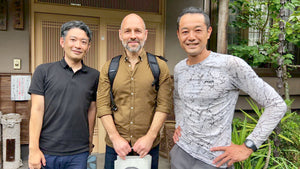
Personal contact
Our teas don't come from wholesale warehouses or unknown sources. We travel to the small producers we source from – whether it's a Japanese family tea garden, a Chinese mountain village or an oolong maker in Taiwan.
Stories
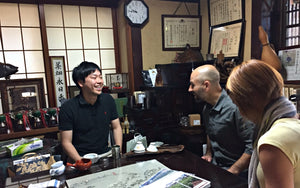
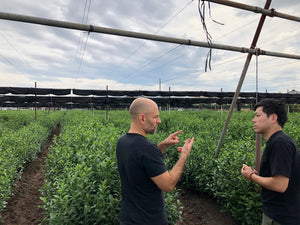
We meet them in person, learn their story, see how they care for their plants, and how they process the fresh leaves.
These experiences are the soul of our teas. This way, not only is the quality guaranteed, but also the fact that behind each cup there is a real person, a real story.
Direct
This direct relationship is valuable to us. Not only because of the excellent tea, but because we believe that trust, respect and personal presence are what make the tea drinking experience truly special.
Teavolution Tea Blog

Shincha - Japan's First Tea of Spring
Read more

What is shading in Japanese tea? | Matcha, Gyokuro, Kabusecha
Read more

Oct 2, 2025
Sencha tea
Read more

Sep 21, 2025
Matcha shortage in Japan
Read more
Mar 18, 2025
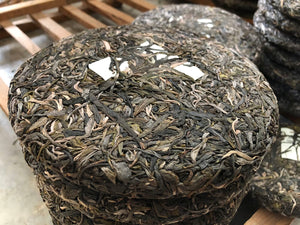
Puer tea, puerh or pu-erh
Read more
Mar 18, 2025
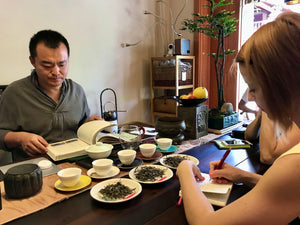
Types of tea
Read more
