
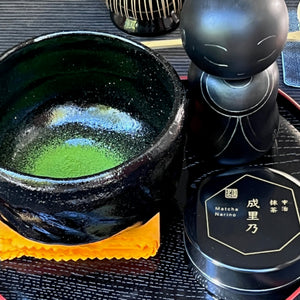


Shichimeien Narino – top matcha from Uji, for koicha
Narino is the essence of the traditional matcha world of Uji, Kyoto: made from first-picked, shaded tencha, finely ground in-house on a traditional stone mill. Its taste is exceptionally pure and deep, with an almost complete lack of bitterness – ideal for festive cups and tea ceremonies.
Why we love it
- Deep, sweet umami and silky body, with a long, clean finish.
- It shows itself most beautifully in koicha; it can also be made into usucha.
- Freshly ground, very fine grain – creamy, shiny texture.
Origin and producer
Horii Shichimeien is one of the oldest family-run tea houses and workshops in Uji. They use tencha from their own plantations, which are ground into matcha using traditional stone mills at low speeds. The name Narino refers to the house's selection/clone and also the daughter of the tea grower :-): the aim is for deep sweetness , exceptionally low bitterness and a long, clean aftertaste .
Flavor profile
- Aroma: sweet-green, fresh, delicately floral-green-spicy.
- Taste: full umami, grainy-nutty softness, minimal tartness.
- Texture: dense, silky; creamy “syrupiness” in koicha.
- Finish: long, clean, cool feeling.
Preparation ( not recommended for milk/latte and cold brew)
- Koicha – recommended: 3–4 g matcha + 30–40 ml, 70–75 °C water. Sift the powder; “knead” with a little water in a warmed cup until creamy, then add the remaining water little by little. No need to froth.
- Usucha: 2 g matcha + 60–80 ml, 75–80 °C water. Sieve; mash with a little water; then whisk with quick “W” movements into a fine, small-bubble cream.
Useful tips
- Always sieve your matcha for a silky texture.
- Use soft, low-mineral water.
- Preheat the chawan, then wipe the vessel dry before straining the tea into it.
Storage
- After opening, keep closed in a cool, dry place. In the refrigerator, only airtight, protected from odors.
- For freshness, it is best to consume within 4–6 weeks.
Ingredients: 100% Japanese green tea (matcha) – Uji, Kyoto, Japan.

Personal contact
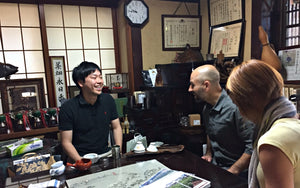
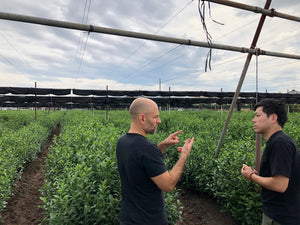
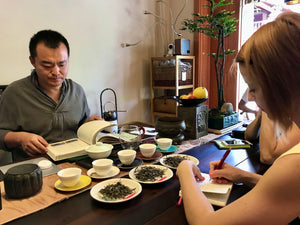
Our teas don't come from wholesale warehouses or unknown sources. We travel to the small producers we source from – whether it's a Japanese family tea garden, a Chinese mountain village or an oolong maker in Taiwan.
Stories
We meet them in person, learn their story, see how they care for their plants, and how they process the fresh leaves.
These experiences are the soul of our teas. This way, not only is the quality guaranteed, but also the fact that behind each cup there is a real person, a real story.
Direct
This direct relationship is valuable to us. Not only because of the excellent tea, but because we believe that trust, respect and personal presence are what make the tea drinking experience truly special.
Teavolution Tea Blog

Shincha - Japan's First Tea of Spring
Read more

What is shading in Japanese tea? | Matcha, Gyokuro, Kabusecha
Read more

Oct 2, 2025
Sencha tea
Read more

Sep 21, 2025
Matcha shortage in Japan
Read more
Mar 18, 2025
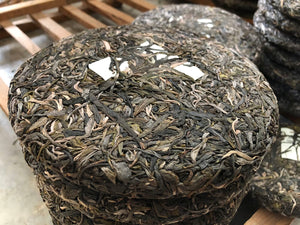
Puer tea, puerh or pu-erh
Read more
Mar 18, 2025
Types of tea
Read more
