

Kabusecha Okumidori – árnyékban formálódott umami
A kabusecha készítésekor a teacserjéket a szüret előtt árnyékolják. Ez az eljárás a tea karakterét lágyabbá, teltebbé teszi, és segít kiemelni az umamit. Az Okumidori fajta ehhez friss, zöld növényi jegyekkel és finoman édeskés ízzel járul hozzá.
A csésze illatában enyhe, tengeri algára emlékeztető tónus is megjelenhet. Íze telt, mégis rendezett: az umamit visszafogott fanyarság kíséri, a lecsengés pedig sokáig megmarad. Alacsonyabb hőmérsékletű vízzel készítve különösen szépen érvényesül a tea édessége és aromája.
-------
A Hiraoka Shoten 1956 óta foglalkozik teával a japán Shizuoka prefektúrában, Tamakawa vidékén, ahol helyi termelőkkel és saját teaültetvényén is dolgozik. Yuta Hiraoka 2023-ban elnyerte a japán teabírálati verseny legmagasabb, 10. danos fokozatát. Teaismeretét a levelek feldolgozásában és a Hiraoka Shoten saját teakeverékeinek kialakításában is kamatoztatja.
Yuta Hiraoka 10. danos fokozatát a teák érzékszervi bírálatában nyújtott teljesítményéért kapta; a versenyen többek között a teák eredetét és fajtáját is azonosítani kell.
Ízprofil
- Illat: friss növényi, enyhén algás
- Íz: telt umami, zöld jegyek, finom édesség
- Test: közepesen telt, sima
- Lecsengés: hosszan tartó, enyhén édeskés, finoman fanyar
Elkészítési javaslat
Kyusuban: 4 g tea 100 ml vízhez, 65–70 °C-os vízzel, körülbelül 60 másodpercig. A következő felöntéshez használhatsz 75–80 °C-os vizet, 20–30 másodperces áztatással.
Nagyobb kannában: 5 g tea 250 ml vízhez, 70–75 °C-on, 1–1,5 percig áztatva.
Hidegen áztatva: 8–10 g teát önts fel 500 ml hideg vízzel, és tedd hűtőbe 4–6 órára. Hidegen a tea lágyabb, édesebb oldalát ismerheted meg.

Personal contact
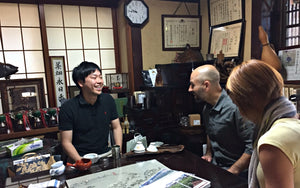
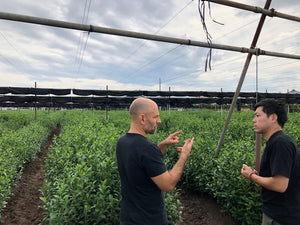
Our teas don't come from wholesale warehouses or unknown sources. We travel to the small producers we source from – whether it's a Japanese family tea garden, a Chinese mountain village or an oolong maker in Taiwan.
Stories
We meet them in person, learn their story, see how they care for their plants, and how they process the fresh leaves.
These experiences are the soul of our teas. This way, not only is the quality guaranteed, but also the fact that behind each cup there is a real person, a real story.
Direct
This direct relationship is valuable to us. Not only because of the excellent tea, but because we believe that trust, respect and personal presence are what make the tea drinking experience truly special.
Teavolution Tea Blog

Shincha - Japan's First Tea of Spring
Read more

What is shading in Japanese tea? | Matcha, Gyokuro, Kabusecha
Read more

Oct 2, 2025
Sencha tea
Read more

Sep 21, 2025
Matcha shortage in Japan
Read more
Mar 18, 2025
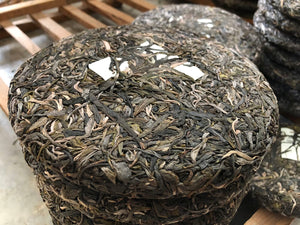
Puer tea, puerh or pu-erh
Read more
Mar 18, 2025
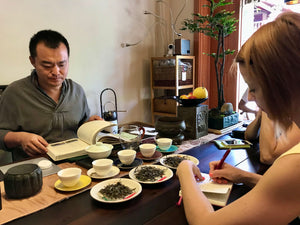
Types of tea
Read more
