
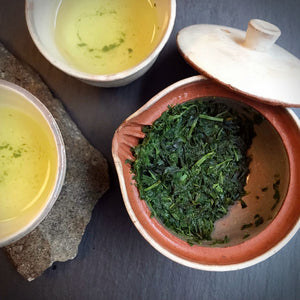


Gyokuro Iki – Uji shade-grown green tea, a high umami experience
Gyokuro leaves are shaded for a minimum of 20 days to reduce the amount of sunlight, increasing chlorophyll and L-theanine production, while reducing tannins (bitter tannins). This is how the experience known as “jeweled déwpó” (gyokuro - 玉露) is created in practice — a deep flavor, soft sweetness, and delicate aroma.
At the Iki production site (Yoshida Meichaen), the buds and youngest leaves are carefully selected. The color and complexity of the pure, soft green tea are rooted in the raw material and shading technique.
50 gram package, in an aroma-sealing bag, stored in the refrigerator, packaged in Japan.
Flavor profile
-
Aroma: fresh sea vegetables, sweet softness, slight pot-sweet notes
-
Taste: full umami, sea saltiness, sweet-salty balance, soy aftertaste
-
Body: creamy, oily and dense
-
Finish: softly fresh, slightly sweet, rich in umami
Preparation suggestions – with ideal gyokuro technique
These parameters were compiled based on the recommendations of experts Tezumi and Hibiki-An to highlight the fullness and richness of umami of Gyokuro Iki.
🔹 Offering with traditional tools (Kyusu Houhin or Shiboridashi recommended)
| ratios / data | |
|---|---|
|
Dosage: |
6 g tea / 50 ml water for Shiboridashi tool |
|
Water temperature |
45 °C for the first soak, then gradually increase to 55–65 °C |
|
Soaking time |
1st infusion: 150 seconds (2:30 minutes) |
|
Number of infusions |
Can be re-shaken more than 3 times – at least 4-6 infusions work well |
Cooling process: First, pour hot water into glasses (yuzamashi or yunomi), then pour it back into the teapot, which already contains the tea.
Why is it worth making gyokuro this way?
-
Long, low-temperature steeping helps bring out the tea's umami richness and sweetness while avoiding the development of bitterness.
-
The higher tea-to-water ratio (6g/50ml) helps create a concentrated, vibrant flavour — an important part of the Japanese collecting tradition.
-
Gradually increasing the temperature during the second and third infusions helps the flavors to gradually release and develop.

Personal contact
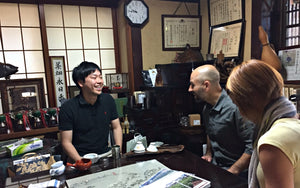
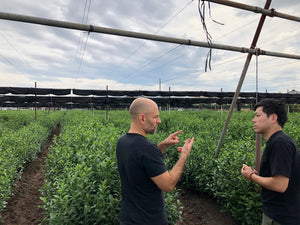
Our teas don't come from wholesale warehouses or unknown sources. We travel to the small producers we source from – whether it's a Japanese family tea garden, a Chinese mountain village or an oolong maker in Taiwan.
Stories
We meet them in person, learn their story, see how they care for their plants, and how they process the fresh leaves.
These experiences are the soul of our teas. This way, not only is the quality guaranteed, but also the fact that behind each cup there is a real person, a real story.
Direct
This direct relationship is valuable to us. Not only because of the excellent tea, but because we believe that trust, respect and personal presence are what make the tea drinking experience truly special.
Teavolution Tea Blog

Shincha - Japan's First Tea of Spring
Read more

What is shading in Japanese tea? | Matcha, Gyokuro, Kabusecha
Read more

Oct 2, 2025
Sencha tea
Read more
Sep 21, 2025
Matcha shortage in Japan
Read more
Mar 18, 2025
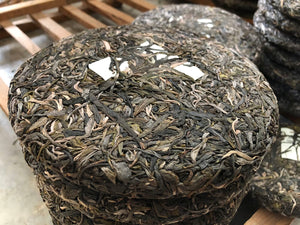
Puer tea, puerh or pu-erh
Read more
Mar 18, 2025
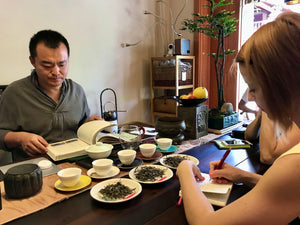
Types of tea
Read more
