


JAS Organic Genmaicha – one of the friendliest genres of Japanese tea culture: a blend of green tea and roasted brown rice. The end result is a particularly comfortable tea that goes well with meals: a scent reminiscent of roasted seeds, soft green tones, and a round, warm finish.
The JAS Organic label is tied to the Japanese organic standards system: the “Organic JAS” logo can only be used by certified operators, and in Japan, the organic designation of a product is tied to the regulated logo. This background gives the kind of peace of mind we look for in our cup: pure ingredients, a traceable system.
What to expect in the cup?
- Aroma: toasted rice, hazelnuts, fresh cereal-warm notes
- Taste: round, smooth, with the nutty-sweet character of rice; accompanied by a delicate green tea freshness
- Mood: "everyday favorite" - after lunch, in the afternoon, or with meals
What is genmaicha?
Genmaicha is classically a blend of green tea (often sencha) and roasted brown rice ; in many styles, the proportion of rice is particularly high, giving it a distinctive toasted aroma and a softer overall flavor.
Preparation – 3 proven methods
1) Japanese style (short, fresh infusions)
- Dosage: 4–5 g / 150 ml
- Water: 80–85 °C
- Time: 30–45 sec.
- Re-pouring: 2–3 times; the 2nd pour can be shorter (10–20 seconds)
Tip: if you want a slightly "greener" cup, keep the temperature lower and the first steeping shorter.
2) Western style (a larger cup)
- Serving size: 4g/250ml
- Water: 85–90 °C
- Time: 60–90 seconds
Tip: if you want to enhance the aroma of the toasted rice, the water can be a little hotter (90 °C), but don't let it sit for too long.
3) Cold brew (silky, sweet, ultra fresh)
- Dosage: 8–10 g / 1 liter of cold water
- Time: 4–6 hours in the refrigerator
- Filter: filter and consume within 1–2 days
Storage
Keep it in a dry, cool place, protected from light, tightly closed - genmaicha easily absorbs environmental scents.
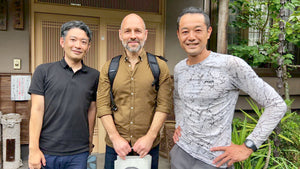
Personal contact
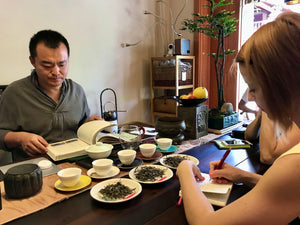
Our teas don't come from wholesale warehouses or unknown sources. We travel to the small producers we source from – whether it's a Japanese family tea garden, a Chinese mountain village or an oolong maker in Taiwan.
Stories
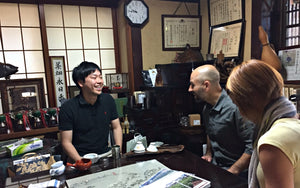
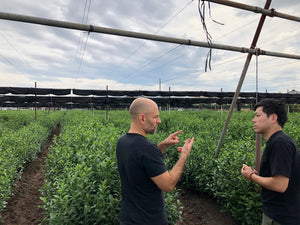
We meet them in person, learn their story, see how they care for their plants, and how they process the fresh leaves.
These experiences are the soul of our teas. This way, not only is the quality guaranteed, but also the fact that behind each cup there is a real person, a real story.
Direct
This direct relationship is valuable to us. Not only because of the excellent tea, but because we believe that trust, respect and personal presence are what make the tea drinking experience truly special.
Teavolution Tea Blog

Shincha - Japan's First Tea of Spring
Read more

What is shading in Japanese tea? | Matcha, Gyokuro, Kabusecha
Read more

Oct 2, 2025
Sencha tea
Read more

Sep 21, 2025
Matcha shortage in Japan
Read more
Mar 18, 2025
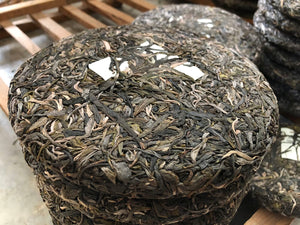
Puer tea, puerh or pu-erh
Read more
Mar 18, 2025
Types of tea
Read more
