


The imprint of a more mature spring
Bai Mu Dan – also known as White Peony – is one of China’s most famous white teas, delicately balancing lightness and fullness. The 2014 vintage was harvested in the Fuding area , where the humid mornings that often blanket the tea plantations and the well-drained, mineral-rich soil are particularly conducive to the white tea genre.
The leaves are traditionally picked by hand, without machines: the bud and the first two young leaves are collected together. After this, the tea leaves are not steamed or rolled , but are withered in a shady, airy place and then dried at low temperatures. This gentle processing and the subsequent natural aging of several years develop the soft yet deep character that older Bai Mu Dan teas can offer.
The 2014 harvest is now 11 years old and has developed the warmer, earthier, woody tones that make it particularly appealing to lovers of mature white teas. The degree of oxidation has increased slightly over the years, making it a characterful and outstanding tea.
Due to the complexity of the flavor, this tea is a good companion for meditation, quiet evening tea drinking , or even longer, more in-depth gongfu tea preparation.
Flavor profile
-
Aroma: candied pear, dried herbs, floral honey
-
Taste: soft, woody, slightly mineral, with a hint of cinnamon sweetness
-
Body: smooth, medium full
-
Finish: long, delicately sweet, silky clean
The maturity of the tea makes it less vibrant, but in return it provides a much “deeper” drinking experience.
Preparation suggestions
🔹 Asian style (gaiwan or yixing pot)
-
Dosage: 4–5 g / 100 ml
-
Water temperature: 90–95 °C
-
Soaking time: 20–40 seconds, then can be increased
-
Number of pours: 6–9 times
🔹 Western style
-
Dosage: 3 g / 250 ml
-
Soaking time: 3–4 minutes
-
Multiple pours: 2–3, pleasant and deepening flavor
Personal contact
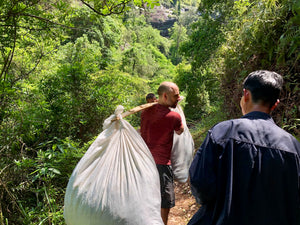
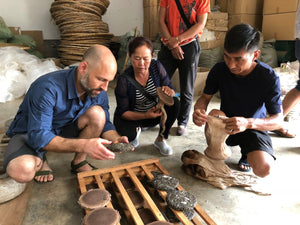
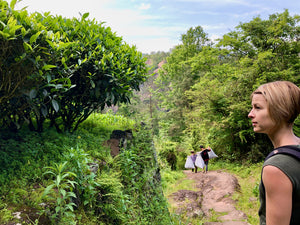
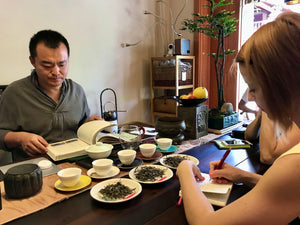
Our teas don't come from wholesale warehouses or unknown sources. We travel to the small producers we source from – whether it's a Japanese family tea garden, a Chinese mountain village or an oolong maker in Taiwan.
Stories
We meet them in person, learn their story, see how they care for their plants, and how they process the fresh leaves.
These experiences are the soul of our teas. This way, not only is the quality guaranteed, but also the fact that behind each cup there is a real person, a real story.
Direct
This direct relationship is valuable to us. Not only because of the excellent tea, but because we believe that trust, respect and personal presence are what make the tea drinking experience truly special.
Teavolution Tea Blog

Shincha - Japan's First Tea of Spring
Read more

What is shading in Japanese tea? | Matcha, Gyokuro, Kabusecha
Read more

Oct 2, 2025
Sencha tea
Read more

Sep 21, 2025
Matcha shortage in Japan
Read more
Mar 18, 2025
Puer tea, puerh or pu-erh
Read more
Mar 18, 2025
Types of tea
Read more
