


Shichimeien Agata no Mori Sencha
Agata no Mori is one of Horii Shichimeien's most beautifully balanced senchas: a fragrant, clean, subtly umami Japanese green tea, where fresh vegetal notes and the characteristic lively astringency of senchas harmoniously blend.
This is not an over-the-top, thick, deep green-flavored tea, but rather a classic, easy-to-drink Uji sencha. The cup is light, clear, and fresh: first comes the green, slightly sweet aroma, followed by a delicate umami and a clean, refreshing finish. It has just enough character to be memorable, yet is light enough to become a part of everyday tea drinking.
According to Horii Shichimeien's recommendation, this is the sencha to choose if one doesn't know which sencha to start with. This speaks volumes about it: Agata no Mori beautifully represents the world of Japanese sencha, while requiring no special prior knowledge. It's a great choice for those seeking a clean, elegant Japanese green tea, but also for those who are already familiar with senchas and want a reliable, delicious, and balanced tea for everyday use.
Flavor Profile
- fresh, green aroma
- subtle umami
- mild natural sweetness
- lively but not harsh astringency
- clean, refreshing finish
Preparation Suggestion
Agata no Mori works particularly well at lower temperatures. For a softer, sweeter, more umami character, prepare with water at approximately 60 °C. With warmer water, it shows a livelier, fresher, more astringent side.
Recommended ratio: 5–7 g tea / 150–200 ml water
Water temperature: approx. 60–70 °C
First infusion: 60–90 seconds
Subsequent infusions: shorter steeping times, to taste
It can also be prepared beautifully with cold steeping: in this case, the tea shows its softer, sweeter, smoother side, the astringency recedes, and the umami and fresh green character gently come to the forefront.

Personal contact
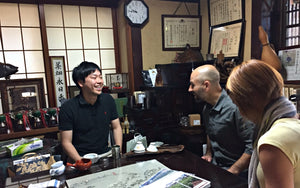
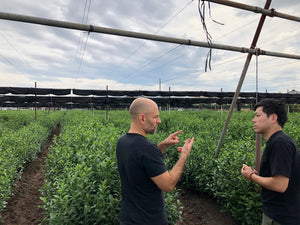
Our teas don't come from wholesale warehouses or unknown sources. We travel to the small producers we source from – whether it's a Japanese family tea garden, a Chinese mountain village or an oolong maker in Taiwan.
Stories
We meet them in person, learn their story, see how they care for their plants, and how they process the fresh leaves.
These experiences are the soul of our teas. This way, not only is the quality guaranteed, but also the fact that behind each cup there is a real person, a real story.
Direct
This direct relationship is valuable to us. Not only because of the excellent tea, but because we believe that trust, respect and personal presence are what make the tea drinking experience truly special.
Teavolution Tea Blog

Shincha - Japan's First Tea of Spring
Read more

What is shading in Japanese tea? | Matcha, Gyokuro, Kabusecha
Read more

Oct 2, 2025
Sencha tea
Read more

Sep 21, 2025
Matcha shortage in Japan
Read more
Mar 18, 2025
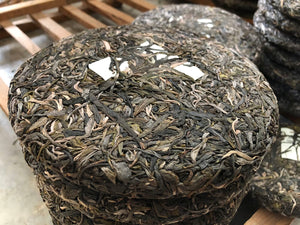
Puer tea, puerh or pu-erh
Read more
Mar 18, 2025
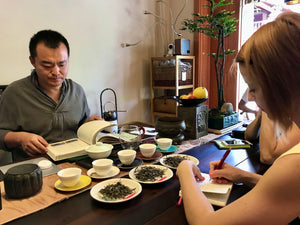
Types of tea
Read more
