


Mei Zhan Jin Jun Mei is an exceptionally floral, silky, and naturally sweet tea, where the sophistication of Jin Jun Mei meets the unmistakable aroma of the Mei Zhan cultivar.
This handcrafted black tea originates from the mountainous region of Wuyishan called Feng Shui Guan. Its raw material consists of carefully picked, early spring buds from the Mei Zhan tea plant. The cooler mountain environment, slower-developing shoots, and meticulous processing result in a clean, vibrant, and surprisingly rich cup.
When an oolong tea plant variety reveals itself as a black tea
Mei Zhan is an old Chinese tea plant variety originally from Anxi, known for its particularly intense floral scent. In Wuyishan, it is primarily used as the raw material for varietal rock oolongs, but as a black tea, it shows a completely different side: the orchid and white floral aromas are accompanied by honey notes, ripe fruit, and a full, silky sweetness.
The larger, stronger buds of Mei Zhan, processed with the delicate, bud-focused technique of Jin Jun Mei, yield a particularly exciting tea. The result is at once airy and full-bodied, fragrant and deep – a black tea that captivates with the very first infusion, but reveals its true layers through several short steepings.
Classic Jin Jun Mei is traditionally made from the young buds of local caicha tea plants growing in the Tongmu area of the Wuyishan nature reserve. Mei Zhan Jin Jun Mei, in contrast, is a conscious, varietal reinterpretation: the spring buds of the Mei Zhan cultivar are processed in the Jin Jun Mei style.
This is precisely what makes it so special. It retains the elegance, purity, and natural sweetness characteristic of Jin Jun Mei, while gaining a much more pronounced floral scent and a distinctive, easily recognizable character.
Unfolds layer by layer in its flavor
In the first infusions, fresh orchid, white flowers, and soft honey notes emerge. As the buds slowly unfurl, ripe yellow fruits, delicate caramel, and a rock candy-like sweetness come to the forefront.
The tea's liquor is clear, bright, and golden-amber in color. Its texture is smooth and silky, its taste full-bodied, yet not heavy or malty. The floral-honey scent lingers long in the mouth after a sip, then a subtle, fresh sweetness returns in the throat.
- Aroma: orchid, white flowers, honey, and ripe fruit
- Flavor: rock candy, honey notes, delicate caramel, and light fruitiness
- Texture: silky, smooth, and full-bodied
- Finish: long, floral, and lingering sweet
- Liquor: clear, bright, golden-amber color
Why is it so special?
- Made from early spring, carefully selected Mei Zhan buds.
- Showcases the character of a single tea plant in Jin Jun Mei style.
- Hand-processed, small-batch Wuyi Mountain black tea.
- Naturally floral and sweet, without added flavors.
- Unfolds richly and cleanly even through multiple short infusions.
Who do we recommend it to?
For those who love the silkiness of Jin Jun Mei teas, the unique varietal aromas of Wuyi teas, or simply want to experience what a truly fragrant, elegant Chinese black tea can be like. It is also friendly for beginners, being gentle and naturally sweet; for experienced tea drinkers, it can be memorable due to the rare appearance of the Mei Zhan cultivar as a black tea.
This is not an ordinary morning black tea. It is more suited for slow afternoons, deep gongfu tea ceremonies, and occasions when you not only want to drink the tea, but to accompany it as it opens up from infusion to infusion.
Preparation suggestion
Gongfu style: 5 g tea / 100–120 ml water, 90–95 °C. The first infusion is 5–10 seconds, then gradually increase the time for each subsequent infusion.
Longer steeping: 3 g tea / 250 ml water, 90–95 °C, 2–3 minutes. The leaves can be re-infused multiple times.
At lower temperatures, the floral and fruity notes come to the forefront; with hotter water, you get a fuller, more honeyed, and more pronounced cup.
Personal contact
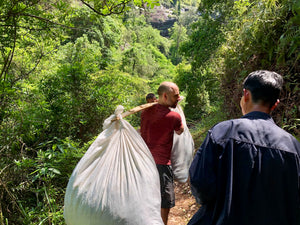
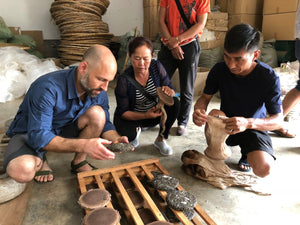
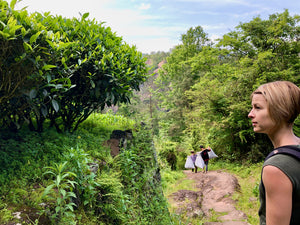
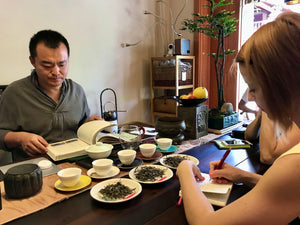
Our teas don't come from wholesale warehouses or unknown sources. We travel to the small producers we source from – whether it's a Japanese family tea garden, a Chinese mountain village or an oolong maker in Taiwan.
Stories
We meet them in person, learn their story, see how they care for their plants, and how they process the fresh leaves.
These experiences are the soul of our teas. This way, not only is the quality guaranteed, but also the fact that behind each cup there is a real person, a real story.
Direct
This direct relationship is valuable to us. Not only because of the excellent tea, but because we believe that trust, respect and personal presence are what make the tea drinking experience truly special.
Teavolution Tea Blog

Shincha - Japan's First Tea of Spring
Read more

What is shading in Japanese tea? | Matcha, Gyokuro, Kabusecha
Read more

Oct 2, 2025
Sencha tea
Read more

Sep 21, 2025
Matcha shortage in Japan
Read more
Mar 18, 2025
Puer tea, puerh or pu-erh
Read more
Mar 18, 2025
Types of tea
Read more
