
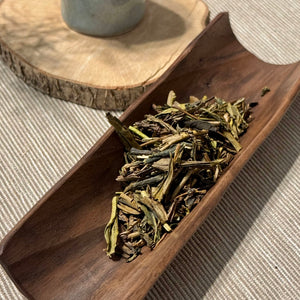


Organic Houjicha
Tax included
Shipping calculated at checkout
Pickup currently unavailable
Organic Hōjicha - Uji, Kyoto
The Rishouen teahouse in Uji has been making home-roasted hojicha since 1947: it produces toasted aromas and an amber-colored brew, and the sip is soothingly smooth, caramelly sweet and clean.
The kind of tea that goes perfectly with meals and late-night relaxation.
Tea blends often also include a karigane (stem/petiole) ratio, which further enhances the nutty-malty sweetness and naturally results in a more subdued caffeine profile.
Origin & style
- Origin: Uji, Kyoto, Japan
- House: Rishouen Tea Co. (founded 1947)
- Method: gentle, multi-phase roasting of leaves and stems
- Cup image: clear, amber-mahogany
Flavor profile
- Aroma: toasted hazelnuts, roasted grains, light cocoa pods
- Taste: caramelly sweet, smooth and easy on the stomach; minimal tartness
- Finish: clean, long-lasting, with a hint of smokeless roasting.
Recommended preparations:
Always preheat the kettle/cup with soft water with low mineral content.
Traditional – kyusu / small pot
- Tea/water: 5 g / 200 ml
- Water: 90–95 °C
- 1st pour: 30–45 sec.
- 2nd–3rd pour: 10–20 seconds, then 30–45 seconds
Western method
- Tea/water: 3 g / 250 ml
- Water: 92–95 °C
- Soaking: 2:30–3:00 minutes (second pour 3:30–4:00 minutes)
Hōjicha latte
- Tea/milk/water: 5 g / 150–180 ml milk + 50 ml water
- Preparation: steep the tea in water at 92–95 °C for 2 minutes, strain, then pour over warm milk (can be sweetened to taste)
- Result: creamy, caramel-malty flavor, long sweet finish.
Storage
Keep sealed, away from light and odors. The aromas of fresh roasting develop over time; best within 2–3 months of opening.

Personal contact
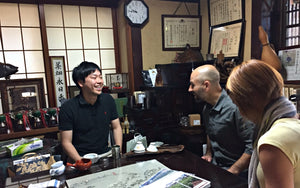
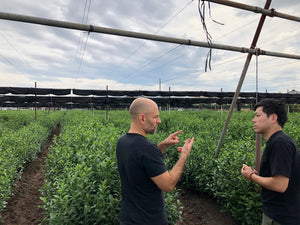
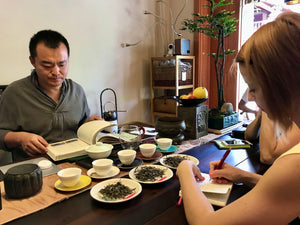
Our teas don't come from wholesale warehouses or unknown sources. We travel to the small producers we source from – whether it's a Japanese family tea garden, a Chinese mountain village or an oolong maker in Taiwan.
Stories
We meet them in person, learn their story, see how they care for their plants, and how they process the fresh leaves.
These experiences are the soul of our teas. This way, not only is the quality guaranteed, but also the fact that behind each cup there is a real person, a real story.
Direct
This direct relationship is valuable to us. Not only because of the excellent tea, but because we believe that trust, respect and personal presence are what make the tea drinking experience truly special.
Teavolution Tea Blog

Shincha - Japan's First Tea of Spring
Read more

What is shading in Japanese tea? | Matcha, Gyokuro, Kabusecha
Read more

Oct 2, 2025
Sencha tea
Read more

Sep 21, 2025
Matcha shortage in Japan
Read more
Mar 18, 2025
Puer tea, puerh or pu-erh
Read more
Mar 18, 2025
Types of tea
Read more
