


Sakamoto “Tenmei” Gyokuro — Shibushi, Kagoshima
Master Tenmei Sakamoto's latest gyokuro, positioned above Zen . The name refers to the Japanese phrase 天命(tenmei) - "heaven's order/blessing" - and according to the master is the essence of a special, gracious vintage. The slow growth of spring 2025 and the long, ~4-week shading gave the cup a dense, creamy umami and a long, clean sweetness.
Origin & style
- Terroir: Shibushi, Kagoshima (southern part of Kyūshū)
- Creator: Sakamoto Teakert – organic gyokuro specialist, decades of shading know-how
- Shading: approx. 4 weeks (gradually increased coverage)
- Processing: light steaming ( asamushi ), fine needle shape
- Cultivar: for Tenmei, the master uses selected raw materials; some batches also include Haruto 34 (early flowering, full umami)
Flavor profile
- Aroma: nori and sea breeze, white almonds, steamed greens
- Taste: dense, silky umami; sweet-green, with hints of nuttiness and creaminess, with minimal bitterness
- Finish: long, clean, cool, sweet echo
Recommended preparation
Gyokuro, classic “shiboridashi” method (intense umami)
- 6–7 g tea / 60–80 ml very soft water
- 40–55°C
- 1st pour: 90–120 sec • 2nd: immediate pour • 3rd: 20–30 sec (gradually increase the temperature for subsequent rounds)
Kyusu, “softened” method
- 5g / 120ml
- 60–65°C
- 1st pour: 90 sec • 2nd: 20–30 sec • 3rd: 60 sec
Mizudashi / shinobi-cha (with ice or cold water)
- 8–10g/200ml
- Refrigerate for 1–2 hours, or slowly thaw on clean ice
- Result: an extremely dense, sweetly umami cup with zero bitterness
Pairing & occasion
- White chocolate, soft fresh cheeses, salted edamame
- For ritual, slow tea drinking – when you seek silence and depth in your cup
Note: Tenmei is a new, high-end Sakamoto-gyokuro, cited as an award-winning variety in several places. The cultivar may vary from year to year; too high temperatures can take away the silkiness, so it is a good idea to start in the above ranges and work with soft water.
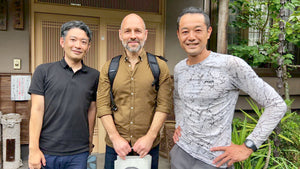
Personal contact
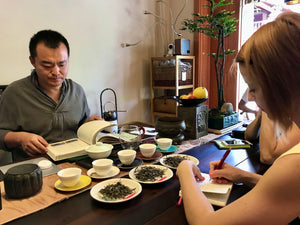
Our teas don't come from wholesale warehouses or unknown sources. We travel to the small producers we source from – whether it's a Japanese family tea garden, a Chinese mountain village or an oolong maker in Taiwan.
Stories
We meet them in person, learn their story, see how they care for their plants, and how they process the fresh leaves.
These experiences are the soul of our teas. This way, not only is the quality guaranteed, but also the fact that behind each cup there is a real person, a real story.
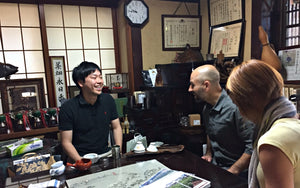
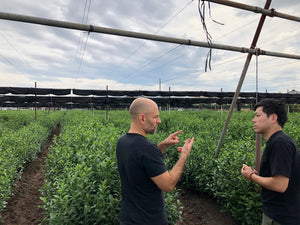
Direct
This direct relationship is valuable to us. Not only because of the excellent tea, but because we believe that trust, respect and personal presence are what make the tea drinking experience truly special.
Teavolution Tea Blog

Shincha - Japan's First Tea of Spring
Read more

What is shading in Japanese tea? | Matcha, Gyokuro, Kabusecha
Read more

Oct 2, 2025
Sencha tea
Read more

Sep 21, 2025
Matcha shortage in Japan
Read more
Mar 18, 2025
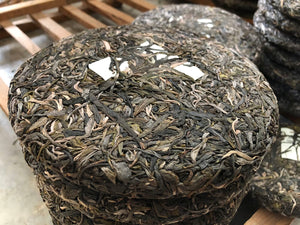
Puer tea, puerh or pu-erh
Read more
Mar 18, 2025
Types of tea
Read more
