


This yellow-toned yixing clay teapot evokes one of the most beautiful, serene worlds of classical Chinese tea making. Its low, rounded body gives it a calm, balanced shape, while its short spout and curved handle make it a simple, usable everyday tool.
The pot is made from unglazed yixing clay, whose natural, slightly grainy surface develops a fine patina over time. Its earthy, warm, restrained character harmonizes beautifully with the slow, mindful rhythm of gongfu tea preparation.
Yellow yixing clays are often associated with the Duan Ni family of clays. These clays generally interact with tea in a softer, more balanced way: they can help round off edges, smooth out bitter or dry notes, without completely suppressing the tea's own character.
Therefore, this pot can be an excellent choice for moderately or heavily oxidized oolongs, aged white teas, sheng puer, and finer Chinese red/black teas. If dedicated to a specific tea family, the pot will slowly "mature" with the tea during use, gaining a deeper, more personal character with each preparation.
The geometric decoration around the lid is a subtle yet elegant detail: it doesn't detract from the simplicity of the form, providing a beautiful frame for the pot's natural material.
A hand-built pot by a young yixing tea craftsman.
Recommended teas
- moderately oxidized Taiwanese oolongs
- dancong oolongs
- aged white teas
- sheng puer teas
- finer Chinese red teas
Usage and care
Before first use, it is advisable to thoroughly rinse the pot with hot water. Do not use dish soap, as the unglazed clay can absorb scents.
After use, simply rinse with clean, warm water, then allow it to dry completely with the lid open.
Yixing clay teapots should be used for one family of teas or teas with similar characteristics. This way, the clay will beautifully interact with the tea, and over time, it will develop a fine, natural sheen and patina.
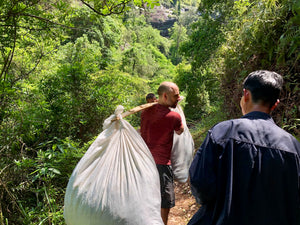
Personal contact
Our teas don't come from wholesale warehouses or unknown sources. We travel to the small producers we source from – whether it's a Japanese family tea garden, a Chinese mountain village or an oolong maker in Taiwan.
Stories
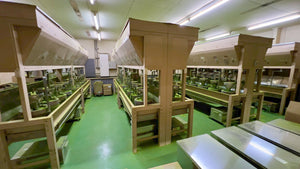
We meet them in person, learn their story, see how they care for their plants, and how they process the fresh leaves.
These experiences are the soul of our teas. This way, not only is the quality guaranteed, but also the fact that behind each cup there is a real person, a real story.
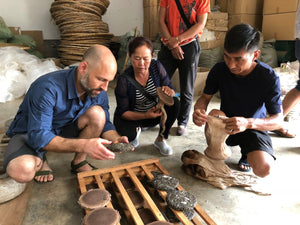
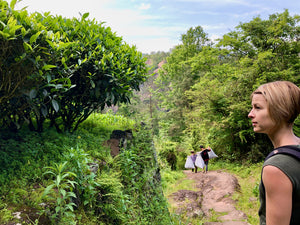
Direct
This direct relationship is valuable to us. Not only because of the excellent tea, but because we believe that trust, respect and personal presence are what make the tea drinking experience truly special.
Teavolution Tea Blog

Shincha - Japan's First Tea of Spring
Read more

What is shading in Japanese tea? | Matcha, Gyokuro, Kabusecha
Read more

Oct 2, 2025
Sencha tea
Read more
Sep 21, 2025
Matcha shortage in Japan
Read more
Mar 18, 2025
Puer tea, puerh or pu-erh
Read more
Mar 18, 2025
Types of tea
Read more
