


Kumaen Yabukita Sencha - Yame, Fukuoka
Yabukita is Japan's iconic sencha tea plant variety: pure, fresh and balanced. Carefully crafted by the Kumaen family, this batch delivers fresh green aromas, reliable umami and an elegant, lively finish - a 'classic' Japanese sencha that's good to return to.
100 gram package, packaged in Japan, refrigerated.
Origin & producer
- Producer: Kumaen – multi-generational Yamei tea farm
- Cultivar: Yabukita (balanced umami-freshness, bright green character)
- Region: Yame, Fukuoka – foggy dawns, large daily temperature fluctuations, clean, sweet tones
- Processing: careful steaming (asamushi–chūmushi depending on the batch), precise twisting and drying
Taste and aroma profile
- Aroma: fresh grass and steamed greens, nori/kombu, raw almonds, a hint of citrus zest
- Taste: clean, vibrant umami; green pea-spinach sweetness with a delicate fresh acidity; slight white pepperiness
- Body & finish: medium body, silky mouthfeel; long, refreshing, sweet-mineral aftertaste
- Bitterness/astringency: low–medium; easily controlled with temperature
When do we recommend it?
For daytime focus, a break between work, an afternoon “green refresh.” Yabukita is the reliable, classic face of everyday sencha – clean, disciplined, yet friendly.
Preparation instructions
Asian (kyusu) method
- Equipment: Japanese jug (kyusu) 120–200 ml
- Tea: 5–6 g
- Water: 70–75 °C (soft water recommended)
- 1st pour: 60–80 sec.
- 2nd–3rd pour: 20–40 seconds; gradually increase later
- Tip: At 70 °C it becomes creamier and more umami; at 75 °C it becomes more vibrant, greener and more characteristic.
Western method
- Equipment: 300–350 ml cup or jug with strainer
- Tea: 3–4 g
- Water: 75–80 °C
- Soaking: 1:30–2:00 minutes; 1–2 shorter infusions can be made from the same batch
Cold brew
- Ratio: 8–10 g/liter
- Time: 6–8 hours in the refrigerator
- Result: a silky, very low bitterness, sweet-umami drink with fresh green and delicate citrus nuances
Tips & Pairing
- Water: low TDS (≈20–80 ppm) enhances clarity and umami
- Food pairing: onigiri, lightly salted rice crackers, fresh goat cheese, white fish; citrus desserts
- Storage: Protected from light and odors, airtight; recommended to keep refrigerated after opening

Personal contact
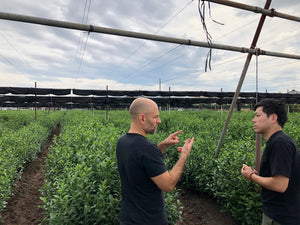
Our teas don't come from wholesale warehouses or unknown sources. We travel to the small producers we source from – whether it's a Japanese family tea garden, a Chinese mountain village or an oolong maker in Taiwan.
Stories
We meet them in person, learn their story, see how they care for their plants, and how they process the fresh leaves.
These experiences are the soul of our teas. This way, not only is the quality guaranteed, but also the fact that behind each cup there is a real person, a real story.

Direct
This direct relationship is valuable to us. Not only because of the excellent tea, but because we believe that trust, respect and personal presence are what make the tea drinking experience truly special.
Teavolution Tea Blog

Shincha - Japan's First Tea of Spring
Read more

What is shading in Japanese tea? | Matcha, Gyokuro, Kabusecha
Read more

Oct 2, 2025
Sencha tea
Read more

Sep 21, 2025
Matcha shortage in Japan
Read more
Mar 18, 2025
Puer tea, puerh or pu-erh
Read more
Mar 18, 2025
Types of tea
Read more
