

Tanuki Matcha - 'Premium Culinary'
Tax included
Shipping calculated at checkout
Tanuki matcha is a vibrant, full-bodied Japanese matcha specifically recommended for matcha drinks, lattes, iced drinks, smoothies, cocktails, desserts, and confectionery use.
It's a matcha that doesn't disappear in milk: it retains its green character, freshness, and rich umami base flavor even when prepared with milk, plant-based milk, or other more intense ingredients.
This 250-gram package is an ideal choice for those who regularly prepare matcha lattes, iced matcha, or creative matcha drinks.
Our Tanuki matcha is not primarily for the classic ceremonial experience prepared purely with water, but rather designed to work distinctly and harmoniously in drinks.
Flavor Profile
- Character: full-bodied, green, refreshing
- Color: vibrant green, looks great in drinks
- Texture: blends creamy, froths well
- Finish: clean, fresh, slightly vegetal
- Usage: matcha latte, iced matcha latte, smoothie, cocktail, dessert, cake
Recommended Use
We primarily recommend this matcha for matcha lattes, iced matcha drinks, cocktails, and desserts. It pairs well with whole milk, oat milk, almond milk, or other plant-based drinks; Balázs particularly enjoys it with coconut milk. Due to its refreshing green character, it also works well in fruity, citrusy, vanilla, or subtly spiced drinks.
Basic Matcha Latte Recipe
- Matcha: 2 g
- Water: approx. 60–70 ml, 70–80 °C
- Milk or Plant-based Milk: 150–200 ml
Sift 2g of matcha into a bowl or shaker, then add a small amount of warm water. Whisk until lump-free with a bamboo whisk, handheld milk frother, or by shaking. Then, top it off with warm or cold milk/plant-based milk. For an iced version, fill a glass with ice, add the milk, then pour the thickly mixed matcha over it.
For Matcha Cocktails and Creative Drinks
In cocktails, matcha adds a unique green color, delicate vegetal freshness, and a deeper umami layer. It works well with citrus, tonic, ginger, mint, vanilla, white chocolate, coconut milk, or even lighter, creamier drink bases. Before use, it's always advisable to mix it smooth with a little water to ensure it's evenly distributed in the drink.
Storage
After opening, reseal the matcha carefully and store it in a cool, dry, dark place. For longer freshness, it's worth keeping it in the refrigerator, tightly sealed, to prevent it from absorbing foreign odors. Always use a dry spoon, allow it to reach room temperature, and sift it before use.

Personal contact
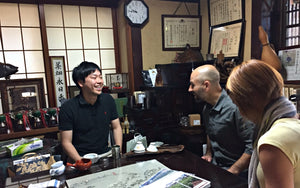
Our teas don't come from wholesale warehouses or unknown sources. We travel to the small producers we source from – whether it's a Japanese family tea garden, a Chinese mountain village or an oolong maker in Taiwan.
Stories
We meet them in person, learn their story, see how they care for their plants, and how they process the fresh leaves.
These experiences are the soul of our teas. This way, not only is the quality guaranteed, but also the fact that behind each cup there is a real person, a real story.

Direct
This direct relationship is valuable to us. Not only because of the excellent tea, but because we believe that trust, respect and personal presence are what make the tea drinking experience truly special.
Teavolution Tea Blog

Shincha - Japan's First Tea of Spring
Read more

What is shading in Japanese tea? | Matcha, Gyokuro, Kabusecha
Read more

Oct 2, 2025
Sencha tea
Read more
Sep 21, 2025
Matcha shortage in Japan
Read more
Mar 18, 2025
Puer tea, puerh or pu-erh
Read more
Mar 18, 2025
Types of tea
Read more
