

Satsuki Sencha is the fruit of the painstaking work of Shichimeien, one of the most famous and historic tea gardens in the Uji region. Its name comes from the word “Satsuki”, which denotes the last month of spring in the old Japanese calendar, indicating that this tea is picked in late spring.
The tea leaves are briefly shaded before picking, so that in addition to the fresh green aromas, a soft umami appears without leaning towards excessive sweetness. During steeping, it produces a vibrant, light green brew, the taste of which is clean, silky, slightly sweet, with delicate herbal notes and freshness developing in the background.
This sencha is a great example of the refined yet light experience that a traditional Japanese green tea can provide. The Shichimeien tea garden's long-standing experience spanning generations is clearly felt in this tea: every sip contains the legendary tea-making tradition of Uji.
Flavor profile:
- Scent: fresh green, slightly spicy, really soft green tea.
- Taste: soft umami, slight sweetness, fresh herbal tones.
- Aftertaste: clean, fresh, elegantly green.
Preparation suggestion: (guideline, worth experimenting with!)
With Kyusu teapot (for frequent, multiple pouring):
- Tea leaves: 4–5 g
- Water: 100 ml, 65–70°C
-
- Pouring: Pour the second one for 40–60 seconds, then soak the third one for 60 seconds.
- Additional pours: in a shorter time, slightly increasing the water temperature
Western style (for slow, longer steeping):
- Tea leaves: 3 g
- Water: 200 ml, 75°C
- Soaking time: 1.5–2 minutes
Cold brew:
- Tea leaves: 8 g
- Water: 1000 ml cold water
- Soaking time: 6–8 hours in the refrigerator
- A soft, refreshing drink with low caffeine content.
This tea is a great choice for everyday moments when you are looking for a little peace, harmony, and the green, vibrant flavors of nature.
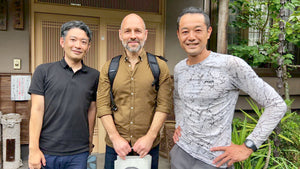
Personal contact
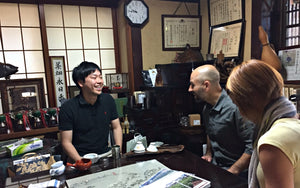
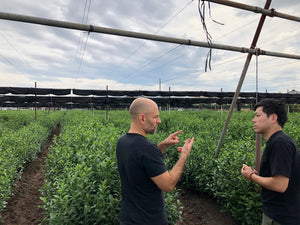
Our teas don't come from wholesale warehouses or unknown sources. We travel to the small producers we source from – whether it's a Japanese family tea garden, a Chinese mountain village or an oolong maker in Taiwan.
Stories
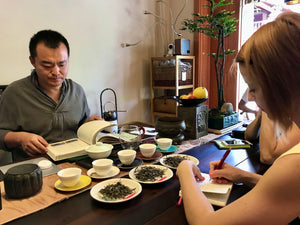
We meet them in person, learn their story, see how they care for their plants, and how they process the fresh leaves.
These experiences are the soul of our teas. This way, not only is the quality guaranteed, but also the fact that behind each cup there is a real person, a real story.
Direct
This direct relationship is valuable to us. Not only because of the excellent tea, but because we believe that trust, respect and personal presence are what make the tea drinking experience truly special.
Teavolution Tea Blog

Shincha - Japan's First Tea of Spring
Read more

What is shading in Japanese tea? | Matcha, Gyokuro, Kabusecha
Read more

Oct 2, 2025
Sencha tea
Read more

Sep 21, 2025
Matcha shortage in Japan
Read more
Mar 18, 2025
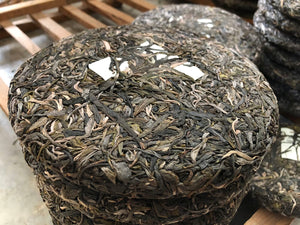
Puer tea, puerh or pu-erh
Read more
Mar 18, 2025
Types of tea
Read more
