
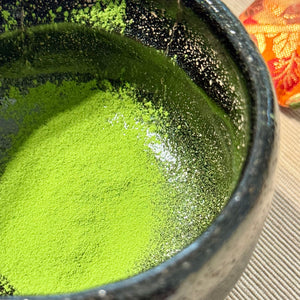


Matcha Zen (organic) - 'Ceremonial grade'
Tax included
Shipping calculated at checkout
Sakamoto Matcha Zen – Organic Ceremonial Matcha from Kagoshima
Matcha Zen is one of the Sakamoto family's most exquisite matchas: a deep, silky, elegantly sweet, and remarkably pure tea. It's not loud, not overdone, not trying to reveal everything at first glance. Instead, it's like a perfectly timed silence: it seems simple, but the longer you pay attention to it, the more layers unfold.
This matcha comes from Shibushi, Kagoshima, in the southern part of Japan, on the island of Kyūshū. Kagoshima's warm, humid climate, mineral-rich volcanic soil, and long growing season are particularly suitable for cultivating full-bodied, deep-flavored Japanese green teas. In this region, the Sakamoto family established a unique organic tea garden that is now considered outstanding in the world of premium gyokuro and matcha.
Zen is not simply a high-quality matcha, but one of Master Sakamoto's finest creations. The tea's character simultaneously features a deep umami reminiscent of gyokuro, the creamy texture of matcha, and a delicate, natural sweetness that lingers long in the mouth. The sip is dense but not heavy; intense but not harsh; elegant but not aloof.
Producer Background
The Sakamoto family has long been a unique representative of organic Japanese green tea. The farm's philosophy centers on the living power of the soil: the plants do not receive rapid, artificial stimulation, but rather long-term, naturally building nutrient replenishment. Master Sakamoto uses his own bokashi fertilizer, made from local ingredients through fermentation, to ensure the tea plants are strong, resilient, and deeply nourished.
This approach is particularly important for shaded teas. The leaves used for matcha are shaded for an extended period before harvest to preserve the amino acids responsible for the tea's sweetness, umami, and silky sensation. Shading gives the leaves a deeper green color, a softer taste, and richer aroma.
Why is Matcha Zen Special?
Matcha Zen's greatest strength is its sense of proportion. There are matchas that captivate with their freshness, others with their sweetness or intense umami. Zen doesn't elevate a single one of these qualities too high, but rather keeps everything delicately balanced.
The first impression of the cup is purity: a vibrant, deep green color, fine powder texture, fresh, sweetly vegetal aroma. Once prepared, it's creamy, full-bodied, and long-lasting. The umami is not salty-heavy, but spreads broadly across the palate; the sweetness is not sugary, but rather almond-like, creamy, softly green. Bitterness, when properly prepared, is barely perceptible, only adding a delicate structure to the sip.
Flavor Profile
- Aroma: fresh, deep green tea aroma, sweet vegetal notes, delicate almond undertones
- Taste: dense umami, natural sweetness, soft greenness, creamy depth
- Texture: silky, full-bodied, very smooth due to fine powder
- Sensation: calm, focused, clean, and elegant
- Finish: long, sweet, coolly green, with a very delicate aftertaste
- Bitterness: extremely low, especially if prepared with not-too-hot water
Who do we recommend it to?
Sakamoto Matcha Zen is for those who seek not just an invigorating drink in matcha, but a deeper, purer tea experience. We particularly recommend it to those who have already tasted good quality matcha and wish to move towards a more elegant, creamier, umami-rich offering.
This tea reveals itself best on its own, prepared with water. It could work as a latte, but frankly, it would be a shame to hide its delicate structure under milk, which makes it truly special. Zen is a matcha that has its own voice — it doesn't need sugar, milk, or flavoring to be memorable.
It is an excellent choice for usucha, or classic, frothy matcha, but due to its high quality, it can also be prepared as koicha. As koicha, it shows its deeper, denser, more concentrated side: at this point, the tea is no longer a refreshing drink, but almost an essence.
Preparation suggestion – usucha, classic frothy matcha
- Matcha quantity: 2 g
- Water quantity: 60–70 ml
- Water temperature: 75–85 °C
- Tools: matcha chawan, chasen, chashaku or scale, fine sieve
Sift the matcha into the bowl, then add a small amount of warm water and whisk into a smooth, lump-free paste. Then pour in the remaining water and, using a bamboo whisk, froth it up with quick, loose "W" or "M" shaped movements. The goal is not large, airy foam, but fine, silky microfoam that makes the sip creamier.
If you prefer a milder, sweeter cup, stay around 75–78 °C. If you're looking for a livelier, more assertive, fresher matcha, you can use 80–85 °C water.
Preparation suggestion – koicha, thick matcha
- Matcha quantity: 4 g
- Water quantity: 30–35 ml
- Water temperature: 70–80 °C
When preparing koicha, do not froth the tea. Sift the matcha, then slowly work it with a small amount of water, using kneading-stirring motions, until it becomes thick, shiny, and creamy. The result is not a light drink, but a concentrated, intense tea experience: deep umami, long sweetness, and dense texture in a single cup.
As koicha, Matcha Zen particularly beautifully showcases its premium character. In this form, every small detail is intensified: the sweetness, the green depth, the creaminess, and the long, clean finish.
Preparation suggestion – iced matcha
- Matcha quantity: 2 g
- Cold water: 150–200 ml
- Preparation: Shake vigorously in a shaker or sealable bottle for 20–30 seconds, then pour over ice.
Iced, Zen shows a cleaner, fresher side. It's less deep than when warm, but remarkably elegant and refreshing. If you want a summer matcha that isn't heavy, dusty, or bitter, but cool and clean, this preparation works beautifully.
Storage
Matcha is a delicate tea: light, air, humidity, and foreign odors can quickly dull its aromas. After opening, always seal it carefully and store it in a cool, dry, dark place. If you use it less frequently, you can store it in the refrigerator, but let it warm to room temperature before opening to prevent moisture from condensing on the powder.
Summary
Sakamoto Matcha Zen is not an everyday matcha. This tea is for those who appreciate pure ingredients, careful cultivation, organic farming, and delicate, deep flavors. A cup of Zen is not a loud experience: it unfolds slowly, layer by layer. It's creamy, sweet, rich in umami, and has a long finish — a matcha that naturally encourages one to slow down.
If Kiwami is the sophisticated, silky entry into Sakamoto's higher world, then Zen is the quieter, deeper room in that world. It's not a place to rush into, but to arrive at.
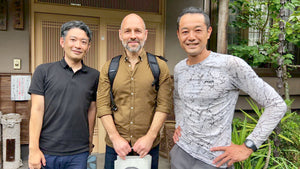
Personal contact
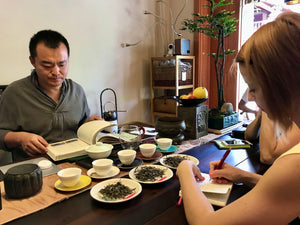
Our teas don't come from wholesale warehouses or unknown sources. We travel to the small producers we source from – whether it's a Japanese family tea garden, a Chinese mountain village or an oolong maker in Taiwan.
Stories
We meet them in person, learn their story, see how they care for their plants, and how they process the fresh leaves.
These experiences are the soul of our teas. This way, not only is the quality guaranteed, but also the fact that behind each cup there is a real person, a real story.
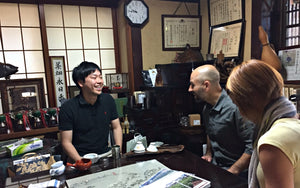

Direct
This direct relationship is valuable to us. Not only because of the excellent tea, but because we believe that trust, respect and personal presence are what make the tea drinking experience truly special.
Teavolution Tea Blog

Shincha - Japan's First Tea of Spring
Read more

What is shading in Japanese tea? | Matcha, Gyokuro, Kabusecha
Read more

Oct 2, 2025
Sencha tea
Read more

Sep 21, 2025
Matcha shortage in Japan
Read more
Mar 18, 2025
Puer tea, puerh or pu-erh
Read more
Mar 18, 2025
Types of tea
Read more
