
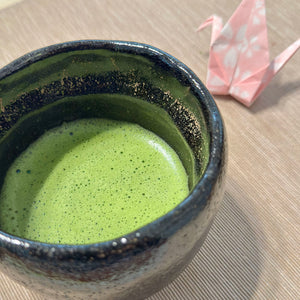


Matcha Sae (organic) - 'Premium Culinary' 250g
Tax included
Shipping calculated at checkout
Sakamoto “Sae” Organic Matcha – Shibushi, Kagoshima • smooth, sweet, latte-friendly
Sae is a stone-ground matcha made from Master Sakamoto's organic, shade-grown teas, highlighting the silky sweetness of the Saemidori tea cultivar. The sip is creamy, with a marine-green umami, subtle astringency, and a delicate "creamy" sensation – a particularly latte-friendly profile.
Origin & processing
- Region: Shibushi, Kagoshima (Kyūshū) – Sakamoto Tea Garden, organic cultivation.
- Base material: Saemidori (for some batches, a blend of Saemidori + Okumidori).
- Shading: long, multi-stage – high amino acid content, dense umami.
- Grinding: traditional granite stone mill (tencha → matcha).
Flavor profile
- Aroma: sweet "wagashi"-like notes, fresh green, white almond.
- Taste: smooth, creamy, and sweet; delicate umami, minimal bitterness.
- Finish: clean, cool, with a long, sweet aftertaste.
Recommended preparation
Usucha (everyday cup)
- 2g matcha (≈1 heaped teaspoon) + 60–70 ml, 75–80 °C water
- Sift, then whisk with a chasen in "M" or "W" motions for 15–20 seconds.
Koicha (thick, "dessert texture")
- 4g matcha + 30–35 ml, 60–65 °C water
- Instead of whisking, slowly knead until smooth; intensely umami, thick.
Matcha latte (Sae's strength)
- 2–2.5g matcha + 40 ml 80 °C water – mixed until smooth
- + 180–200 ml warmed milk / oat milk
- Balanced even without sweetener; Sae's sweetness shines through beautifully.
Pairing & occasion
- With matcha desserts, fruity desserts; for a morning latte.
- If you are looking for a creamy, sweet, easy-to-love matcha.
Note: The "Sae" designation refers to Master Sakamoto's Saemidori-centric profile; some customer and retailer descriptions highlight 100% Saemidori, while others also indicate Okumidori contributions. Batch-specific information on the product packaging is decisive.
How does it fit among Sakamoto matchas?
| Item | Style/use | Characteristic profile |
|---|---|---|
| Sae Matcha | Everyday cup, especially latte | Gently sweet, creamy; restrained astringency |
| Kiwami Matcha | Ceremonial (usucha/koicha) | Refined, round umami; "grand ceremonial" feel |
| Zen Matcha | Ceremonial (top category) | Extremely clean, dense umami; "imperial" position |
Positioning: several European resellers refer to Zen matcha as the top of the range ("imperial"), while Kiwami is presented as a high-level, ceremonial item. Sae, with the sweetness of Saemidori, is also an excellent latte-friendly option.
Sae – sweet, creamy, latte-friendly (for everyday).
Kiwami – balanced, ceremonial (usucha/koicha).
Zen – top category, single-cultivar Seimei, deep umami, for special occasions.
Organic vs. non-organic matcha – what's the difference in taste?
Matcha's silky umami comes from free amino acids (mainly L-theanine), while catechins are responsible for the fresh green astringency. The difference is determined by long shading and nitrogen supply.
- Organic, with good shading: sweet, umami, clean – stands its ground.
- Organic, with weaker nutrients: greener, leaner, slightly more astringent.
- Non-organic (average): fuller umami, creamier sweetness.
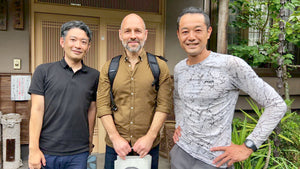
Personal contact
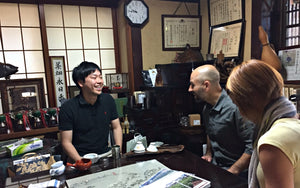
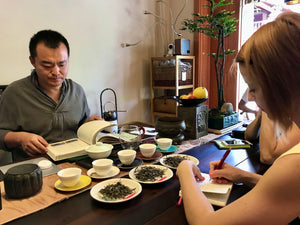
Our teas don't come from wholesale warehouses or unknown sources. We travel to the small producers we source from – whether it's a Japanese family tea garden, a Chinese mountain village or an oolong maker in Taiwan.
Stories
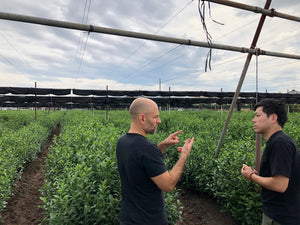
We meet them in person, learn their story, see how they care for their plants, and how they process the fresh leaves.
These experiences are the soul of our teas. This way, not only is the quality guaranteed, but also the fact that behind each cup there is a real person, a real story.
Direct
This direct relationship is valuable to us. Not only because of the excellent tea, but because we believe that trust, respect and personal presence are what make the tea drinking experience truly special.
Teavolution Tea Blog

Shincha - Japan's First Tea of Spring
Read more

What is shading in Japanese tea? | Matcha, Gyokuro, Kabusecha
Read more

Oct 2, 2025
Sencha tea
Read more
Sep 21, 2025
Matcha shortage in Japan
Read more
Mar 18, 2025
Puer tea, puerh or pu-erh
Read more
Mar 18, 2025
Types of tea
Read more
