


'Jeju Green' is a clean, mild, and easily lovable Korean green tea from Jeju Island, one of South Korea's most unique tea-growing regions. The volcanic soil, sea air, humid climate, and the island's vibrant, green nature all contribute to the fresh, harmonious character that beautifully distinguishes this tea.
This tea is not loud, not overly grassy, and not heavy: rather, it is clean, light, and balanced. The cup reveals fresh green, vegetal notes, a slight sweetness, mild roasted undertones, and a delicate, smooth texture. It's a good choice for those who enjoy the freshness of Japanese green teas but desire a rounder, less intense, more approachable green tea experience.
Jeju – Volcanic Island, Pure Character
Jeju Island lies in the southern part of South Korea, in a volcanic landscape where tea plantations are shaped by Mount Hallasan, sea mist, and abundant rainfall. The good drainage of the soil and the humid, mild climate favor the development of tea bushes, and the leaves carry a clean, fresh, yet mild flavor profile.
The beauty of Jeju Green lies precisely in this simplicity. It doesn't try to say too much, yet it speaks beautifully: it quietly refreshes, focuses attention, and provides a pleasant, bright green tea experience. It's excellent for a fresh start in the morning, a light re-tuning in the afternoon, and a clean, delicate finish after a meal.
Flavor Profile
- Character: clean, mild, refreshing, easy to drink
- Aroma: fresh green leaves, subtle marine freshness, delicate roasted undertones
- Taste: fresh vegetal notes, mild sweetness, slight grainy-roasted tones
- Texture: smooth, round, not too astringent
- Finish: clean, fresh, delicately sweet
Who do we recommend it to?
Jeju Green is an especially good choice if you're looking for a green tea that can be easily enjoyed every day. It doesn't demand ceremonial attention, yet it rewards a slower appreciation. It's also beginner-friendly because it's not too bitter or astringent, but more experienced tea drinkers can also appreciate the clean, understated elegance of Korean green teas within it.
Brewing Recommendation
Western brewing
- Tea quantity: 2–3 g / 250 ml
- Water temperature: 75–80 °C
- Steeping time: 2–3 minutes
- Number of infusions: 2–3
Asian brewing
- Tea quantity: 4–5 g / 120 ml
- Water temperature: 75–80 °C
- First infusion: 45–60 seconds
- Subsequent infusions: shorter, then gradually longer steeps
Cold brew
- Tea quantity: 5–7 g / 500 ml cold water
- Steeping time: 4–6 hours in the refrigerator
- Result: mild, clean, slightly sweet, exceptionally refreshing cold green tea
Tip: if you prefer a milder, sweeter cup, use lower temperature water and shorter steeping time. If you seek a fresher, livelier character, slightly increase the temperature or steeping time.

Personal contact
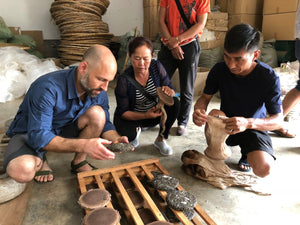
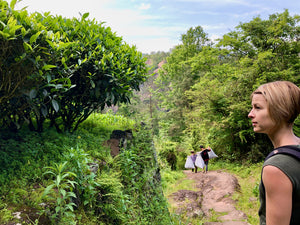
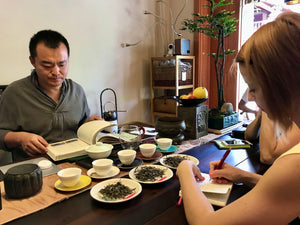
Our teas don't come from wholesale warehouses or unknown sources. We travel to the small producers we source from – whether it's a Japanese family tea garden, a Chinese mountain village or an oolong maker in Taiwan.
Stories
We meet them in person, learn their story, see how they care for their plants, and how they process the fresh leaves.
These experiences are the soul of our teas. This way, not only is the quality guaranteed, but also the fact that behind each cup there is a real person, a real story.
Direct
This direct relationship is valuable to us. Not only because of the excellent tea, but because we believe that trust, respect and personal presence are what make the tea drinking experience truly special.
Teavolution Tea Blog

Shincha - Japan's First Tea of Spring
Read more

What is shading in Japanese tea? | Matcha, Gyokuro, Kabusecha
Read more

Oct 2, 2025
Sencha tea
Read more
Sep 21, 2025
Matcha shortage in Japan
Read more
Mar 18, 2025
Puer tea, puerh or pu-erh
Read more
Mar 18, 2025
Types of tea
Read more
