


2025 Dayi Mei Gui Da Yi „Rose Dayi” – shu puer, 357 g
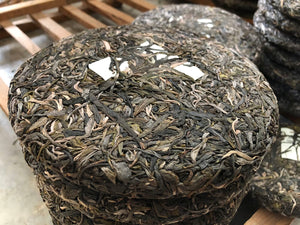
Mei Gui Da Yi (玫瑰大益), or „Rose Dayi,” is an emblematic, higher-category shu puer recipe from Menghai Tea Factory. The history of this series dates back to 1996; the 2025, 2501 edition is a carefully crafted new appearance of this classic character.
The name „Rose Dayi” does not refer to added roses or flower petals. :-) The tea is not flavored: its name was inspired by its characteristic pink-purple appearance and sophisticated, gently elegant character.
Selected large-leaf Yunnan tea material from Menghai's higher-altitude growing regions was used for the tea. Dayi's traditional fermentation and blending methods resulted in a full-bodied, harmonious shu puer, where sweetness is not only present in the aftertaste but deeply integrated into the tea's dense, velvety body.
Aroma and Flavor Profile
In the first infusions, clean, intense caramelized sugar and toasted grain aromas unfold. The tea is deep, bright reddish-brown in color, clean and translucent. Its taste is sweet, round, and warm-toned, with delicate malty, grainy, and slightly floral nuances.
The most beautiful quality of „Rose Dayi” is its special, triple texture: creamy soft, silky smooth, and full-bodied. The brew is dense, leaving an almost rice pudding-like sensation in the mouth, while remaining clean and refined throughout. Bitterness is barely perceptible; its place is taken by lasting sweetness and a soft, warm finish.
- Aroma: caramelized sugar, toasted grain, sweet maltiness
- Taste: full-bodied, sweet, harmonious, and slightly creamy
- Texture: dense, silky, and velvety smooth
- Brew: clean, bright reddish-brown
- Finish: long-lasting sweetness, delicate floral elegance
Who do we recommend it to?
Due to its easily approachable, comforting character, it is an excellent choice for those new to shu puer teas. Its rich texture, the history of its recipe, and its balanced profile also make it interesting for experienced puer enthusiasts.
The tea beautifully reveals its layers when prepared in a gongfu manner, but it also yields a balanced, full-bodied drink with longer steeping, in a thermos, or with careful boiling. It is clean and enjoyable even when fresh, and with proper storage, it can deepen and round out further.
Preparation Suggestion
Of course, deviating from this is allowed and permissible. The more tea we drink, the more our taste develops. This also changes with age and life circumstances. So it's worth experimenting boldly with steeping times :-).
- Tea leaves: 6–7 g / 100 ml
- Water temperature: 95–100 °C
- Rinse: a short, 5–10 second rinse
- First infusions: 10–15 seconds
- Further infusions: gradually increasing steeping time
Product Details
- Manufacturer: Dayi / Menghai Tea Factory
- Name: Mei Gui Da Yi – Rose Dayi
- Vintage: 2025
- Production batch: 2501, first series
- Tea type: shu puer – post-fermented, aged puer
- Form: pressed tea cake
- Origin: Menghai, Yunnan, China
- Ingredients: large-leaf Yunnan sun-dried tea leaves
- Net weight: 357 g
It is recommended to store in a dry, well-ventilated place, protected from sunlight and foreign odors.

Personal contact
Our teas don't come from wholesale warehouses or unknown sources. We travel to the small producers we source from – whether it's a Japanese family tea garden, a Chinese mountain village or an oolong maker in Taiwan.
Stories
We meet them in person, learn their story, see how they care for their plants, and how they process the fresh leaves.
These experiences are the soul of our teas. This way, not only is the quality guaranteed, but also the fact that behind each cup there is a real person, a real story.


Direct
This direct relationship is valuable to us. Not only because of the excellent tea, but because we believe that trust, respect and personal presence are what make the tea drinking experience truly special.
Teavolution Tea Blog

Shincha - Japan's First Tea of Spring
Read more

What is shading in Japanese tea? | Matcha, Gyokuro, Kabusecha
Read more

Oct 2, 2025
Sencha tea
Read more

Sep 21, 2025
Matcha shortage in Japan
Read more
Mar 18, 2025
Puer tea, puerh or pu-erh
Read more
Mar 18, 2025
Types of tea
Read more
