


Dayi 7572 shu puer – 2025
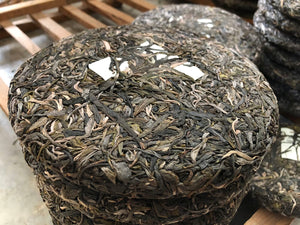
The Dayi 7572 is one of the most well-known and referenced classics in the world of shu puer. It is often called a benchmark for a reason: it is a tea through which one can very well understand what a clean, balanced, classic Menghai-style ripe puer tastes like.
The 2025 release is a special vintage, as it is linked to the 50th anniversary of the 7572 recipe. The recipe dates back to 1975, and since then it has become one of the defining shu puer teas of the Menghai Tea Factory, or Dayi. It is a clean and easily enjoyable tea.
What does 7572 mean?
In the world of puer teas, four-digit numbers often represent recipe codes. In the case of 7572, "75" refers to the recipe developed in 1975, "7" denotes the average leaf grade, and "2" is the code for the Menghai Tea Factory. It is important to note that this is not simply a quality ranking: for shu puer, appropriately ripe, higher-content leaves are just as necessary for good body, structure, and long-term aging as the finer, golden buds on the surface.
Flavor Profile
The liquor of the 2025 Dayi 7572 is deep reddish-brown, clear, and full-bodied. Its aroma reveals notes of caramel, warm wood, a slight earthiness, and sweet, dark tones. The sip is round, smooth, and dense, "classic" in a good way: not too heavy, not too sweet, not too strong, but beautifully balancing the most important virtues of shu puer.
In the first infusions, the tea is sweet, soft, and easy to drink. In the middle infusions, it shows a denser, deeper, more caramel character, with a longer finish and a clean, warm aftertaste. In later infusions, the body becomes lighter, but the sweet, smooth character remains throughout.
Who do we recommend it for?
The 7572 is an particularly good choice for those who are just getting acquainted with shu puer teas, because it is easy to understand, friendly, and does not require any special "puer-endurance." At the same time, it is an important tea for more experienced tea drinkers: a stable base to which other shu puer teas can be compared.
It works beautifully after meals, on cooler days, during slow mornings, or for longer gongfu tea sessions. It doesn't aim to be spectacular, but simply good. And that is a great virtue in the world of shu puer.
Preparation Suggestion
- Gongfu style: 6–7 g tea / 100 ml water
- Water temperature: 95–100 °C
- First rinse: a short rinse of 5–10 seconds is recommended
- Infusions: start with 10–20 seconds, then gradually extend
- Western style: 3–4 g tea / 250 ml water, 3–4 minutes
Storage
Puer is a living tea that continues to age beautifully under proper conditions. It should be stored in a dry, airy place, protected from light and free from foreign odors. Do not keep it in an airtight, completely motionless environment for a long time, and avoid kitchen odors, spices, and moisture.

Personal contact
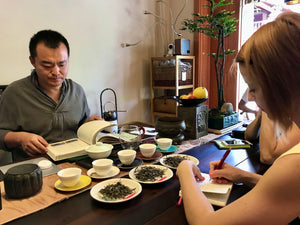
Our teas don't come from wholesale warehouses or unknown sources. We travel to the small producers we source from – whether it's a Japanese family tea garden, a Chinese mountain village or an oolong maker in Taiwan.
Stories
We meet them in person, learn their story, see how they care for their plants, and how they process the fresh leaves.
These experiences are the soul of our teas. This way, not only is the quality guaranteed, but also the fact that behind each cup there is a real person, a real story.


Direct
This direct relationship is valuable to us. Not only because of the excellent tea, but because we believe that trust, respect and personal presence are what make the tea drinking experience truly special.
Teavolution Tea Blog

Shincha - Japan's First Tea of Spring
Read more

What is shading in Japanese tea? | Matcha, Gyokuro, Kabusecha
Read more

Oct 2, 2025
Sencha tea
Read more

Sep 21, 2025
Matcha shortage in Japan
Read more
Mar 18, 2025
Puer tea, puerh or pu-erh
Read more
Mar 18, 2025
Types of tea
Read more
