


Ihachi Sencha – Organic, Lightly Steamed Japanese Green Tea
Ihachi Farm's sencha is a pure, vibrant Japanese green tea, the fruit of 15 generations of tea cultivation by the Shigeta family.
The farm switched to organic farming 27 years ago and is now JAS organic certified. They do not use agricultural chemicals or pesticides; their goal is for their teas to be exceptionally pure and healthy.
This sencha is asamushi, meaning lightly steamed tea. During processing, the steaming is very short, lasting approximately 20 seconds. As a result, the brew has a lighter, clearer color than more deeply steamed Japanese green teas, while its flavor is distinct, vibrant, and beautifully layered.
According to Takuya Shigeta, many people are surprised that this sencha can be steeped up to four times. This clearly demonstrates the strength and purity of the leaves: it's not a harsh, quickly fading tea, but a sencha that develops beautifully over multiple infusions – making it special among senchas.
Flavor Profile
A fresh, pure, slightly grassy, and vegetal tea where umami appears subtly and naturally. It is not heavy or overly intense, but rather light and lively. It's a good choice for those who seek purity, freshness, and a delicate, rounded sensation in Japanese green teas.
Preparation Suggestion
Takuya Shigeta recommends water around 70-75 °C for his teas. At lower temperatures, the amino acids and umami are better expressed, while the bitterness from catechin and caffeine remains more subdued.
- Water temperature: 70-80 °C
- Tea quantity: 4–5 g / 150–200 ml
- First infusion: 60–90 seconds
- Subsequent infusions: shorter times, to taste
This tea is for those who are looking for a genuine, natural Japanese sencha: not ornate, not loud, but precise, pure, and deeply resonant. A cup of tea that embodies the diligent, consistent work of Ihachi Tea Farm and their philosophy of harmonious coexistence with nature.
About Ihachi Farm
Ihachi Farm is a family-run tea farm in Japan, operating for 15 generations. Takuya Shigeta now works with his father and mother: the family cultivates, processes, and sells their own teas. The farm's name comes from Takuya's grandfather, and this family legacy has been carried on ever since.
Ihachi Farm transitioned to organic tea farming 27 years ago. They do not use agricultural chemicals or pesticides; their goal is for their teas to be exceptionally pure and healthy. The farm is JAS organic certified, and every work process is meticulously documented: harvest time, area, machinery, lot number, and processed quantity.
For Takuya Shigeta, organic farming is not just a method, but a philosophy: living with nature, accepting that insects, wild animals, and plants are all part of the same landscape. This approach gives Ihachi teas their special, pure, and honest character.
Ihachi Sencha
Ihachi sencha is asamushi, a lightly steamed Japanese green tea. The steaming is short, around 20 seconds, which gives the tea a clear, lighter brew, while its flavor is surprisingly distinct and vibrant. Takuya Shigeta says this tea can be beautifully steeped up to four times, which clearly shows the strength and quality of the leaves.
Preparation Suggestion for Ihachi Teas
Takuya Shigeta suggests that many Ihachi teas can be brewed well with water around 70-75 °C. Lower temperatures help the tea's umami and amino acids to be better expressed, while the bitterness from catechin and caffeine remains more subdued. This is a particularly good starting point for preparing kabusecha and sencha.
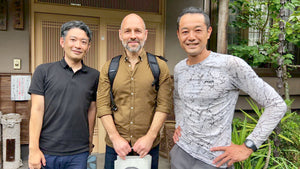
Personal contact
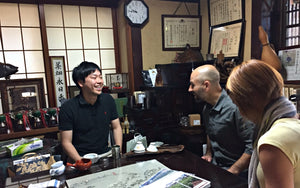
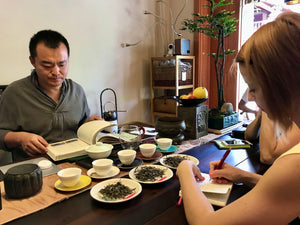
Our teas don't come from wholesale warehouses or unknown sources. We travel to the small producers we source from – whether it's a Japanese family tea garden, a Chinese mountain village or an oolong maker in Taiwan.
Stories
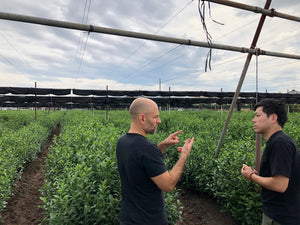
We meet them in person, learn their story, see how they care for their plants, and how they process the fresh leaves.
These experiences are the soul of our teas. This way, not only is the quality guaranteed, but also the fact that behind each cup there is a real person, a real story.
Direct
This direct relationship is valuable to us. Not only because of the excellent tea, but because we believe that trust, respect and personal presence are what make the tea drinking experience truly special.
Teavolution Tea Blog

Shincha - Japan's First Tea of Spring
Read more

What is shading in Japanese tea? | Matcha, Gyokuro, Kabusecha
Read more

Oct 2, 2025
Sencha tea
Read more

Sep 21, 2025
Matcha shortage in Japan
Read more
Mar 18, 2025
Puer tea, puerh or pu-erh
Read more
Mar 18, 2025
Types of tea
Read more
