
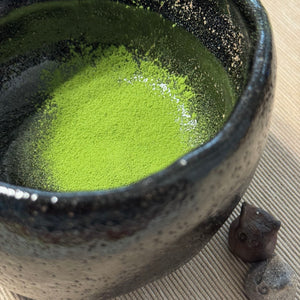


Matcha Kiwami (organic) - Ceremonial grade
Tax included
Shipping calculated at checkout
Sakamoto Matcha Kiwami – Organic Ceremonial Matcha from Kagoshima
The Sakamoto Matcha Kiwami is among those matchas that convince not with spectacular exaggeration, but with their inner balance. From the first scent, you can feel the purity of fresh, deep green leaves, and in the first sip, that soft, round umami that is unique to carefully shaded, high-quality Japanese teas.
This matcha comes from the Shibushi, Kagoshima region, from the Sakamoto family's organic tea garden. Kagoshima is located in the southern part of Japan, on the island of Kyūshū: its warm, humid climate, volcanic soils, and mineral richness are particularly favorable for growing full-bodied, characteristic Japanese green teas. The Sakamoto family has specialized in cultivating premium organic gyokuro and matcha for decades, with particular attention to soil life, plant vitality, and natural nutrient supply.
Why is it special?
The character of Kiwami stems from the Sakamoto family's cultivation philosophy. The tea plants are shaded for an extended period before harvesting to preserve and enhance the soft, umami character rich in amino acids in the leaves. Shading is not merely a technical step: it is that quiet period when the tea turns deeper, silkier, and sweeter.
The result is a finely ground, vibrant green, elegant matcha, in which sweetness, umami, and fresh vegetal tones appear in beautiful proportions. It is not too loud, not heavy, not harshly direct. Rather, it is clean, calm, and round — a matcha that makes you instinctively slow down for the next sip.
Flavor Profile
- Aroma: fresh green leaf, subtle sweetness, soft vegetal tones
- Taste: round umami, delicate sweetness, silky body, restrained astringency
- Texture: creamy, fine, velvety feel
- Finish: clean, cool green, elegantly sweet
- Bitterness: very low, almost completely absent when prepared correctly
Who do we recommend it to?
Sakamoto Matcha Kiwami is an ideal choice for those who are already familiar with matcha and want a cleaner, deeper, more refined experience. It is not a beginner "latte matcha" but a tea that is worth tasting on its own, prepared with water. This way, it truly shows its natural sweetness, creamy texture, and the quiet, long aftertaste that is one of the most beautiful hallmarks of good ceremonial matchas.
It is an excellent choice for usucha, or foamy, lighter matcha, but with proper technique, it can also be prepared as koicha. Koicha is a thicker, more concentrated method of preparation where every detail of the matcha is intensified — which is why it only works well with teas that have little harsh bitterness and sufficient natural sweetness.
Preparation suggestion – usucha, classic foamy matcha
- Matcha quantity: 2 g
- Water quantity: 60–80 ml
- Water temperature: 75–85 °C
- Preparation: sift the matcha, add a small amount of water, mix to a smooth paste, then pour in the remaining water and whisk with a chasen using quick, "W" shaped movements.
If you want a softer, sweeter cup, use a temperature around 70–75 °C. If you are looking for a livelier, fresher, more distinct character, 80–85 °C also works well.
Preparation suggestion – koicha, thick matcha
- Matcha quantity: 4–5 g
- Water quantity: 30–40 ml
- Water temperature: 65–75 °C
Preparation suggestion – iced matcha
- Matcha quantity: 2 g
- Water quantity: 120–150 ml cold, soft water
Iced, Kiwami shows its fresher, cleaner side: less deep than when hot, but very elegant, cool, and refreshing. It can also be prepared with milk, but for this quality, we recommend a pure, water-based preparation — so that the delicate balance, which makes this tea truly valuable, is not lost.
Storage
Matcha is sensitive to light, air, moisture, and odors. After opening, always seal it carefully and store it in a cool, dry, light-protected place. If you use it less frequently, it is worth storing it in the refrigerator, but always allow it to warm to room temperature before opening to prevent condensation from forming on the tea powder.
Summary
The Sakamoto Matcha Kiwami is not an everyday matcha, but a quiet, clean, and beautifully structured tea experience. Anyone who loves deep umami, creamy texture, and elegant Japanese green teas can easily find that calm, special moment in this matcha that this tea will provide them.

Personal contact
Our teas don't come from wholesale warehouses or unknown sources. We travel to the small producers we source from – whether it's a Japanese family tea garden, a Chinese mountain village or an oolong maker in Taiwan.
Stories
We meet them in person, learn their story, see how they care for their plants, and how they process the fresh leaves.
These experiences are the soul of our teas. This way, not only is the quality guaranteed, but also the fact that behind each cup there is a real person, a real story.
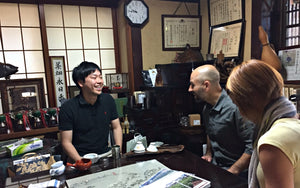

Direct
This direct relationship is valuable to us. Not only because of the excellent tea, but because we believe that trust, respect and personal presence are what make the tea drinking experience truly special.
Teavolution Tea Blog

Shincha - Japan's First Tea of Spring
Read more

What is shading in Japanese tea? | Matcha, Gyokuro, Kabusecha
Read more

Oct 2, 2025
Sencha tea
Read more

Sep 21, 2025
Matcha shortage in Japan
Read more
Mar 18, 2025
Puer tea, puerh or pu-erh
Read more
Mar 18, 2025
Types of tea
Read more
