


Yoshida Tea Garden's Shincha Asanoka tea is a special, seasonal Japanese green tea that showcases the freshness of the first spring harvest. Shincha literally means "new tea": a first-flush Japanese green tea that is quickly packaged after processing and delivered to tea lovers, so that the vibrant, spring aromas of the fresh leaves are preserved as purely as possible.
This tea is made from the Asanoka tea cultivar. Asanoka is an exciting variety, born from the cross-breeding of Yabukita and a tea variety of Chinese origin. Its character simultaneously embodies the clean, green freshness of Japanese senchas and a slightly more fragrant, fruity, expressive aroma profile.
In the cup, we can expect a light, fresh, spring-like character. Its aroma reveals fresh grass, tender leaves, a hint of fruitiness, and clean green plant notes. In taste, a soft sweetness, delicate umami, refreshing greenness, and a subtle, elegant astringency provide balance. It is not a heavy, overly profound tea; rather, it is bright, lively, and easy to drink – like a clear spring morning in a cup.
The name Yoshida Meichaen is associated with the high standard of traditional Uji tea in the Japanese tea world. Family tea production, careful processing, and professional knowledge passed down through generations are palpable in this tea as well: it is refined, precise, not loud, yet very distinctive.
Shincha Asanoka is especially recommended for those who love fresh, fragrant Japanese green teas but are not looking for an overly heavy, deeply umami direction. It is a lovely choice for morning or forenoon tea-drinking, when a clean, lively, but not harsh tea is needed: something that awakens but does not rush through us.
Flavor notes
- fresh grass
- tender spring leaves
- delicate fruitiness
- soft sweetness
- round, subtle umami
- clean, green finish
Preparation suggestion
For hot preparation:
- 4 g tea / 100 ml water
- 75–80 °C
- 1st infusion: 40–50 seconds
- 2nd infusion: 5–10 seconds
- 3rd infusion: 20–30 seconds
If we want a fresher, more fragrant, more vibrant cup, we can use slightly warmer water (80–85 °C) with a shorter steeping time. If we are looking for a softer, sweeter, more umami direction, it is worth trying water around 65–70 °C and a slightly longer first infusion.
For cold brewing:
- 6–8 g tea / 500 ml cold water
- 1.5–3 hours in the refrigerator
- then strain and sip slowly
The freshness of shincha is a fragile beauty. It is not a tea to keep for years: it is at its most beautiful when spring is still alive within it. After opening, keep it airtight, protected from light, heat, and moisture, and do not store it for too long, but consume it day by day.

Personal contact
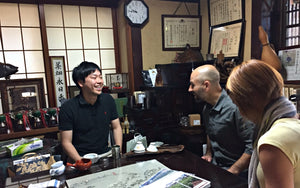
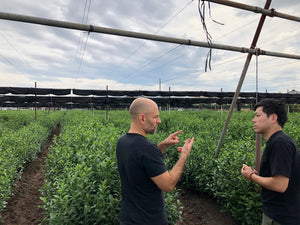
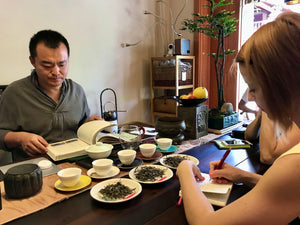
Our teas don't come from wholesale warehouses or unknown sources. We travel to the small producers we source from – whether it's a Japanese family tea garden, a Chinese mountain village or an oolong maker in Taiwan.
Stories
We meet them in person, learn their story, see how they care for their plants, and how they process the fresh leaves.
These experiences are the soul of our teas. This way, not only is the quality guaranteed, but also the fact that behind each cup there is a real person, a real story.
Direct
This direct relationship is valuable to us. Not only because of the excellent tea, but because we believe that trust, respect and personal presence are what make the tea drinking experience truly special.
Teavolution Tea Blog

Shincha - Japan's First Tea of Spring
Read more

What is shading in Japanese tea? | Matcha, Gyokuro, Kabusecha
Read more

Oct 2, 2025
Sencha tea
Read more
Sep 21, 2025
Matcha shortage in Japan
Read more
Mar 18, 2025
Puer tea, puerh or pu-erh
Read more
Mar 18, 2025
Types of tea
Read more
