


Sakamoto Gyokuro Karigane Kamo – Organic Japanese Stem Tea from Kagoshima
Sakamoto Gyokuro Karigane Kamo belongs to one of the most beloved, often underestimated categories of Japanese green teas: a shaded tea containing gyokuro stems, which offers the deep umami of gyokuro, but in a lighter, cleaner, and friendlier form.
It is not as dense and concentrated as a classic gyokuro, but this is precisely its beauty: it is airier, fresher, lighter, more suitable for everyday consumption, yet distinctly elegant.
This tea comes from Mr. Sakamoto's organic tea garden in the Shibushi, Kagoshima region, in the southern part of Japan. Kagoshima's volcanic soils, humid and warm climate, and long growing season are particularly favorable for intense, deep-flavored Japanese green teas.
The Sakamoto family specializes in cultivating premium organic gyokuro and shaded teas, paying close attention to soil health, natural nutrient supply, and the long-term well-being of the plants.
Karigane is made from fine stems, leaf veins, and smaller leaf parts selected during the processing of gyokuro.
Since these ingredients come from shaded, high-quality gyokuro plants, the tea retains the sweet-umami character typical of gyokuro, but due to the stem structure, it gives a lighter, cleaner, and fresher impression, which is also reflected in its liquor.
Why is it special?
The greatest virtue of Gyokuro Karigane is its balance. It has the depth of gyokuro but doesn't become heavy. It has umami, but it's not too dense. It has a fresh green character but is not harshly astringent. It's a tea that simultaneously provides a premium feel and easy drinkability.
Sakamoto's karigane is an especially beautiful choice for those who love the clean, vegetal, shaded world of Japanese green teas but don't always crave the very concentrated, almost essence-like preparation of gyokuro.
This tea is looser, more open, yet refined. A delicate gateway between the freshness of sencha and the deeper, sweeter character of gyokuro.
Flavor Profile
- Aroma: fresh, clean green tea aroma, with subtle marine-umami and sweet vegetal notes
- Taste: soft umami, delicate sweetness, clean green character, subtle gyokuro depth
- Texture: lighter, smooth, more refreshing feel than a classic gyokuro
- Finish: clean, fresh, slightly sweet, with a delicately astringent aftertaste
- Bitterness: low, especially when prepared with cooler water
- Character: elegant, calm, easy to love, yet professionally exciting
Who do we recommend it to?
Sakamoto Gyokuro Karigane Kamo is an ideal choice for those who want to get closer to the world of gyokuro but would prefer to start with a less intense, easier-to-prepare tea. It is also a good choice if you already know and love gyokuro, but are looking for a softer, more economical, yet high-quality alternative for everyday use.
This tea works particularly well as a morning or early afternoon cup. It refreshes without being harsh; it deepens without being heavy. It's a tea that makes you want to stay for a second or third infusion.
Preparation suggestion – gyokuro style
- Tea quantity: 4–5 g
- Water quantity: 50–70 ml
- Water temperature: 50–60 °C
- Steeping time: 2 minutes
This preparation best brings out the deeper, sweeter, more umami side of the tea. At low temperatures, the karigane will be soft, silky, and round, with a subtle fresh astringency in the background. After the first infusion, it is worth making shorter second and third infusions with slightly higher temperatures.
Preparation suggestion – lighter, everyday style
- Tea quantity: 5 g
- Water quantity: 150 ml
- Water temperature: 65–70 °C
- Steeping time: 60 seconds
With this method, the tea will be fresher, lighter, and more refreshing. The umami is still present, but the cup is less dense, rather clean and very drinkable. This form is especially good if you are not looking for a ceremonial gyokuro moment, but a very fine, everyday Japanese green tea.
Preparation suggestion – cold brew
- Tea quantity: 6–8 g
- Water quantity: 500 ml cold, soft water
- Steeping time: 2–4 hours in the refrigerator
Cold brewed, Gyokuro Karigane shows its particularly clean and sweet side. The sip is cool, silky, subtly umami, and almost completely bitterness-free. It's an especially beautiful choice for summer days, with light meals, or as an afternoon refreshment.
Food Pairing
It pairs best with delicate, understated foods: steamed rice, lightly salted Japanese snacks, tofu, vegetable dishes, fresh cheeses, or simple, not-too-sweet pastries. The tea's clean, green character complements food well without overpowering it.
Storage
Japanese green teas are sensitive to light, air, heat, and moisture. After opening, always carefully reseal the packaging and store it in a cool, dry place away from light. If you consume it less frequently, it is worth storing it in the refrigerator, but allow it to rest at room temperature for a short time before use so that the leaves do not absorb moisture from condensation.
Summary
Sakamoto Gyokuro Karigane Kamo is a subtly nuanced, organic Japanese green tea that presents the noble world of gyokuro in a lighter, friendlier form. It is sweet, clean, subtly umami, mildly refreshing, and very drinkable. It is not a showy tea, yet it has something particularly appealing: the depth of gyokuro, the lightness of karigane, and the calm imprint of Mr. Sakamoto's careful, nature-friendly tea cultivation.

Personal contact
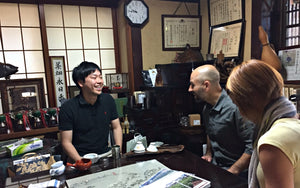
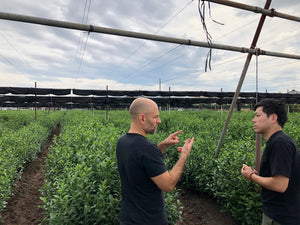
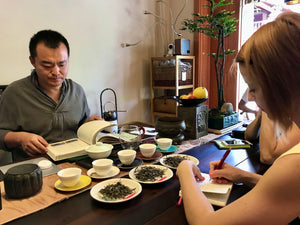
Our teas don't come from wholesale warehouses or unknown sources. We travel to the small producers we source from – whether it's a Japanese family tea garden, a Chinese mountain village or an oolong maker in Taiwan.
Stories
We meet them in person, learn their story, see how they care for their plants, and how they process the fresh leaves.
These experiences are the soul of our teas. This way, not only is the quality guaranteed, but also the fact that behind each cup there is a real person, a real story.
Direct
This direct relationship is valuable to us. Not only because of the excellent tea, but because we believe that trust, respect and personal presence are what make the tea drinking experience truly special.
Teavolution Tea Blog

Shincha - Japan's First Tea of Spring
Read more

What is shading in Japanese tea? | Matcha, Gyokuro, Kabusecha
Read more

Oct 2, 2025
Sencha tea
Read more
Sep 21, 2025
Matcha shortage in Japan
Read more
Mar 18, 2025
Puer tea, puerh or pu-erh
Read more
Mar 18, 2025
Types of tea
Read more
