


230 ml Red Tokoname Kyusu for Japanese Green Teas
This 230 ml Tokoname kyusu is a classic Japanese side-handle teapot, primarily designed for preparing Japanese green teas. Its shape is low, stable, and fits comfortably in the hand, while the long side handle allows for precise and comfortable pouring. Its size is ideal for a personal, mindful tea preparation, or for serving two smaller cups of tea.
The teapot is made from red shudei clay, one of Tokoname's most renowned ceramic materials. The iron-rich red clay gives the pot a natural, warm tone, while the unglazed ceramic subtly interacts with the tea. Tokoname kyusus are particularly favored for Japanese green teas because the pot can help round out the tea's brighter, more astringent notes, while preserving its clean, fresh character.
The subtly ribbed, circular surface of the body evokes the traces of handcrafted work. It is not a showy piece, but rather a tool that quietly, proportionately, and beautifully serves the tea ceremony.
The red clay, simple form, and traditional yokode (side-handle) design together create the calm Japanese character that makes a good kyusu one of the most important tools for daily tea preparation.
Which teas do we recommend it for?
We primarily recommend it for preparing sencha, kabusecha, gyokuro, kukicha, bancha, and lighter hojicha. The 230 ml capacity works particularly well when brewing tea with smaller amounts of water and multiple infusions. This allows the leaves to unfurl beautifully, and the flavors to reveal themselves in layers: first the umami and fresh green notes, then the lighter, cleaner aromas in the second and third infusions.
It can also be used for finer, small-leaf fukamushi sencha, but with these, it's worth pouring more carefully, as very small leaf fragments can more easily clog the filter. However, it is a particularly harmonious choice for general sencha, kabusecha, and gyokuro.
Usage and Cleaning
Before first use, rinse the pot with hot water, then allow it to dry completely. After use, do not put it in the dishwasher and do not clean it with dish soap. It is sufficient to rinse it with clean, warm water, then dry it without the lid in a well-ventilated area.
Since unglazed clay subtly absorbs the character of the teas brewed in it over time, it is advisable to use this kyusu primarily for Japanese green teas. This way, the pot slowly, quietly becomes a part of the tea ceremony: not just a tool, but a companion in daily preparation.
- Capacity: 230 ml
- Type: Japanese side-handle kyusu
- Material: Tokoname ceramic, red shudei clay
- Recommended teas: sencha, kabusecha, gyokuro, kukicha, bancha, hojicha
- Cleaning: by hand, with clean water, without dish soap
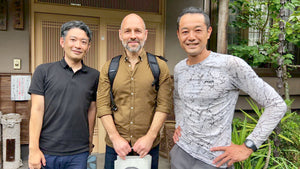
Personal contact
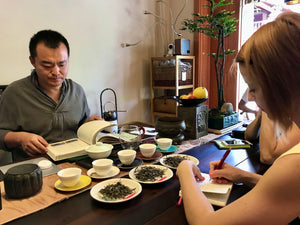
Our teas don't come from wholesale warehouses or unknown sources. We travel to the small producers we source from – whether it's a Japanese family tea garden, a Chinese mountain village or an oolong maker in Taiwan.
Stories
We meet them in person, learn their story, see how they care for their plants, and how they process the fresh leaves.
These experiences are the soul of our teas. This way, not only is the quality guaranteed, but also the fact that behind each cup there is a real person, a real story.
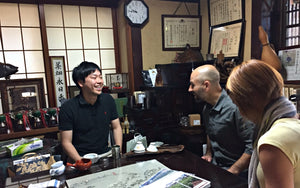

Direct
This direct relationship is valuable to us. Not only because of the excellent tea, but because we believe that trust, respect and personal presence are what make the tea drinking experience truly special.
Teavolution Tea Blog

Shincha - Japan's First Tea of Spring
Read more

What is shading in Japanese tea? | Matcha, Gyokuro, Kabusecha
Read more

Oct 2, 2025
Sencha tea
Read more
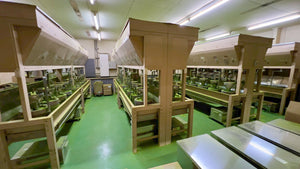
Sep 21, 2025
Matcha shortage in Japan
Read more
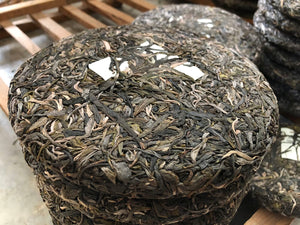
Mar 18, 2025
Puer tea, puerh or pu-erh
Read more
Mar 18, 2025
Types of tea
Read more
