


Wood-fired Shiro Chawan – Ceramic by Ági Nagy-György
This wood-fired chawan was made in Hungary, by the hands of ceramist Ágnes Nagy-György. It is a matcha tea bowl where the aesthetics of Japanese tea culture meet the vibrant, earthy power of Hungarian artisan ceramics.
The chawan is one of the most important tools for preparing matcha. It is not merely a vessel; we sift, mix, whisk, and drink the tea from it. A good chawan does not distract from the matcha, yet it is present. Its weight, shape, feel, and inner space all contribute to making the tea preparation a slower, calmer, and more complete experience.
Wood Firing – When the Flame Becomes a Co-Creator
The uniqueness of wood-fired ceramics lies in the fact that during firing, not only the ceramist's initial intention shapes the final result. In the kiln, the flame of the wood, the embers, the ash, the temperature changes, and the airflow all participate in the creation.
The ash melts onto the surface, the flame leaves its mark on the clay, and the heat creates subtle shades, depth, and natural texture.
Therefore, every wood-fired chawan is irrepeatable.
No two pieces are exactly identical.
The colors, ash marks, subtle variations, and tones appearing on the surface are not flaws, but living imprints of the firing process. These are details that encapsulate the time of the fire, the scent of the wood, the patience of the clay, and the work of the hands.
This chawan is not an industrial object, but a handmade ceramic. The human touch is palpable: the subtle nuances of the form, the natural variations of the surface, the proportions of the rim, base, and inner space all serve to ensure that the object is not merely beautiful, but also establishes a living connection with the tea during use.
What kind of tea do we recommend it for?
Primarily, we recommend it for preparing matcha. The spacious interior of the chawan allows for comfortable whisking of matcha with a bamboo whisk, or chasen.
The natural, earthy character of the ceramic pairs particularly well with deeper, umami-rich, premium Japanese matchas.
The wood-fired surface and the vibrant green color of matcha create a beautiful contrast: the freshness of the tea and the earthy depth of the ceramic elevate each other. In such a bowl, matcha is not just a drink, but a brief ceremony: a few minutes of attention, warm water, powdered tea, a bamboo whisk, silence.
Usage and Care
Before use, it is advisable to preheat the chawan with warm water. This not only aids in the preparation of matcha but also makes the ceramic more pleasant to the touch. After preparing the tea, rinse it with lukewarm water, then wipe it dry with a soft cloth or allow it to air dry completely.
As a handmade ceramic, it requires careful handling. We recommend hand washing instead of using a dishwasher. Avoid sudden temperature changes and do not soak it in water for extended periods. This way, the chawan can retain its beauty and utility for a long time.

Personal contact
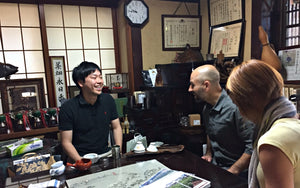
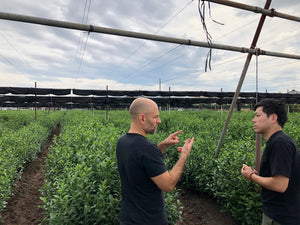
Our teas don't come from wholesale warehouses or unknown sources. We travel to the small producers we source from – whether it's a Japanese family tea garden, a Chinese mountain village or an oolong maker in Taiwan.
Stories
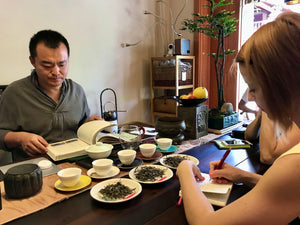
We meet them in person, learn their story, see how they care for their plants, and how they process the fresh leaves.
These experiences are the soul of our teas. This way, not only is the quality guaranteed, but also the fact that behind each cup there is a real person, a real story.
Direct
This direct relationship is valuable to us. Not only because of the excellent tea, but because we believe that trust, respect and personal presence are what make the tea drinking experience truly special.
Teavolution Tea Blog

Shincha - Japan's First Tea of Spring
Read more

What is shading in Japanese tea? | Matcha, Gyokuro, Kabusecha
Read more

Oct 2, 2025
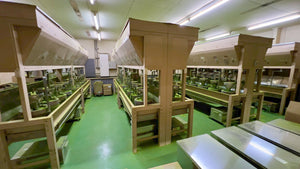
Sencha tea
Read more
Sep 21, 2025
Matcha shortage in Japan
Read more
Mar 18, 2025
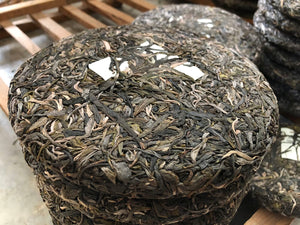
Puer tea, puerh or pu-erh
Read more
Mar 18, 2025
Types of tea
Read more
