


Gyokko / 玉光 Tokoname kyusu – 150 ml
This 150 ml Japanese kyusu is a creation of the Gyokko / 玉光 workshop in Tokoname: a small, hand-fitting teapot, making it an especially beautiful choice for one or two-person Japanese green tea ceremonies. Its size makes it ideal for smaller, more concentrated infusions, where the contact between the tea leaves and water can be delicately and precisely controlled.
The pot is made from Tokoname kokudei, or black clay. This material is related to the famous red shudei clay but achieves a deep, dark tone through reduction firing. The surface character is given by the matsugawa technique: the body features a finely textured pattern resembling pine bark, which beautifully contrasts with the smoother spout and handle.
This flatter, wider shape is ideal for preparing Japanese teas.
Why do we love it?
- 150 ml capacity: ideal for a single person or two smaller cups of tea.
- Tokoname-yaki ceramic.
- Kokudei clay: deep black surface created by reduction firing.
- Matsugawa texture: handmade surface reminiscent of pine bark.
- Built-in ceramic sasame filter: provides natural, clean filtration without a metal filter.
Which teas do we recommend it for?
This kyusu is particularly well-suited for Japanese green teas: sencha, kabusecha, gyokuro, karigane, or even lighter kamairicha. The smaller volume helps to precisely control water temperature, leaf quantity, and steeping time – those small details that make a big difference in a good Japanese tea.
Usage and care
After use, simply rinse with clean water and then allow it to dry completely without a lid in a well-ventilated area. We do not recommend using detergent, as natural clay will subtly evolve with the tea over time. Thus, the pot becomes not just a tool, but slowly a personal object.
Capacity: 150 ml
Type: Japanese side-handle kyusu
Maker: Gyokko / 玉光 workshop
Ceramic: Tokoname-yaki
Filter: built-in ceramic sasame filter
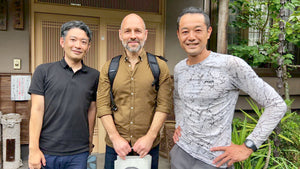
Personal contact
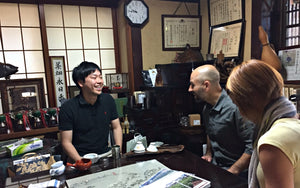
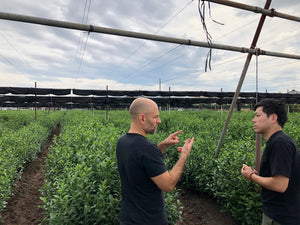
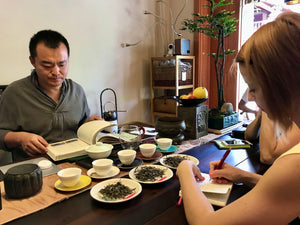
Our teas don't come from wholesale warehouses or unknown sources. We travel to the small producers we source from – whether it's a Japanese family tea garden, a Chinese mountain village or an oolong maker in Taiwan.
Stories
We meet them in person, learn their story, see how they care for their plants, and how they process the fresh leaves.
These experiences are the soul of our teas. This way, not only is the quality guaranteed, but also the fact that behind each cup there is a real person, a real story.
Direct
This direct relationship is valuable to us. Not only because of the excellent tea, but because we believe that trust, respect and personal presence are what make the tea drinking experience truly special.
Teavolution Tea Blog

Shincha - Japan's First Tea of Spring
Read more

What is shading in Japanese tea? | Matcha, Gyokuro, Kabusecha
Read more

Oct 2, 2025
Sencha tea
Read more

Sep 21, 2025
Matcha shortage in Japan
Read more
Mar 18, 2025
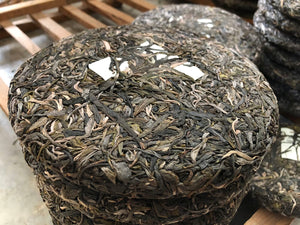
Puer tea, puerh or pu-erh
Read more
Mar 18, 2025
Types of tea
Read more
