


This blue chawan was made in Hungary, crafted by the ceramic artist Ági Nagy-György. It is a hand-formed matcha bowl that embodies both the serene simplicity of Japanese tea culture and the personal, vibrant character of Hungarian artisan pottery.
The piece is gas-fired, which provides a more uniform, controlled firing environment than a wood-fired kiln. This allows the shape and glaze to appear more balanced: the blue surface creates a calm, deep, and refined effect.
The chawan is one of the most important tools for preparing matcha. It is used to sift, mix, and whisk the tea, and then to drink it. A good chawan is not only practical but also helps to slow down movements: it fits comfortably in the hand, provides space for the chasen, and enhances the few minutes it takes to prepare matcha.
What tea do we recommend it for?
We primarily recommend it for matcha preparation. The blue glaze provides a particularly beautiful contrast to the green color of freshly whisked matcha: the bright, vibrant shade of the tea stands out even more clearly in the bowl.
It is well-suited for daily usucha preparation, but it is also a worthy choice for premium matchas. Due to its understated, calm appearance, we recommend it to those who are looking for a quieter, more elegant tea utensil rather than something flashy.
Use and Care
Before use, it is advisable to preheat the chawan with warm water. After preparing the tea, rinse it with lukewarm water and allow it to dry completely. As an artisan ceramic, we recommend hand washing; instead of a dishwasher, handle it carefully to preserve its beauty for a long time.

Personal contact
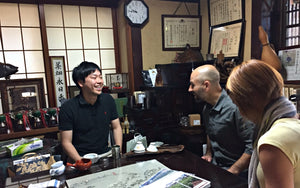
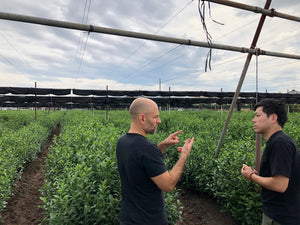
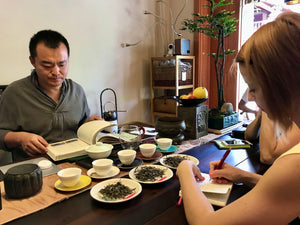
Our teas don't come from wholesale warehouses or unknown sources. We travel to the small producers we source from – whether it's a Japanese family tea garden, a Chinese mountain village or an oolong maker in Taiwan.
Stories
We meet them in person, learn their story, see how they care for their plants, and how they process the fresh leaves.
These experiences are the soul of our teas. This way, not only is the quality guaranteed, but also the fact that behind each cup there is a real person, a real story.
Direct
This direct relationship is valuable to us. Not only because of the excellent tea, but because we believe that trust, respect and personal presence are what make the tea drinking experience truly special.
Teavolution Tea Blog

Shincha - Japan's First Tea of Spring
Read more

What is shading in Japanese tea? | Matcha, Gyokuro, Kabusecha
Read more

Oct 2, 2025
Sencha tea
Read more
Sep 21, 2025
Matcha shortage in Japan
Read more
Mar 18, 2025
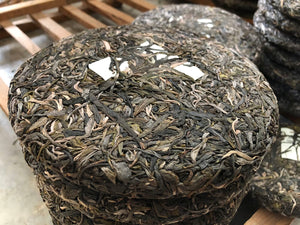
Puer tea, puerh or pu-erh
Read more
Mar 18, 2025
Types of tea
Read more
