
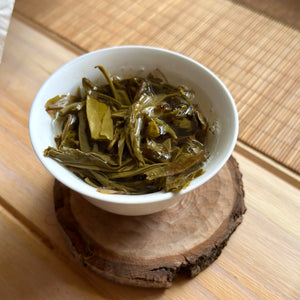


Hidden Stream Sheng Pu-erh – Spring 2024
A high-mountain sheng pu-erh from near the northern range of the Jingmai region, with a delicately floral, honey-sweet, and refreshingly clean character.
The aroma offers spring pollen and honeydew, while the palate delivers a lively, "zesty" freshness, berry nuances, and a hint of tobacco; the finish is long and clean.
Origin & Processing
- Growing Region: Yunnan, Jingmai Mountain area, northern highlands (1900–2100 m)
- Environment: Cool, high-mountain climate; low pest pressure – therefore minimal intervention, plantations easily managed even without pesticides
- Tree Stock: The finest, unpruned (allowed to grow tall) trees in the gardens for better leaf quality, despite lower yields
- Harvest: Early spring, hand-picked
- Processing: Sheng (raw) pu-erh – wilting, wok-frying (sha qing), hand-rolling, slow drying, then pressing
Note: The high altitude and cooler weather result in slower growth and a cleaner aroma profile; lesser-known plots often provide surprisingly good value. In selecting the raw material, avoiding pruning and excessive fertilization were key factors in improving leaf quality.
Flavor Profile
- Aroma: Spring pollen, honeydew, slight green herb
- Palate: Fresh, lively "zest," honeyed sweetness, delicate berry (forest fruit) notes
- Aftertaste: Clean, long-lasting sweetness, a hint of tobacco/tea tree bark undertone
- Texture: Silky, focused
- Energy: Alert, clear, "spring" lightness
Why we love it?
- Everyday companion, yet characterful: fresh and zesty, floral, but without intrusive bitterness.
- Clean raw material from a cool, high-mountain climate, with minimal intervention.
- Good value from a lesser-known plot – a surprisingly complex tea.
Preparation Guide
Asian (Gongfu) Method
- Tea/water: 5 g / 100 ml
- Water: 95–98 °C
- Infusions: Quick rinse (optional), then 10–12 s → 12–15 s → 18–22 s, then gradually extend (10+ infusions)
- Tip: If you prefer more floral notes, start at 92–94 °C; for more "zest," go up to 98 °C.
Western Method
- Tea/water: 2.5–3 g / 250 ml
- Water: 92–96 °C
- Time: 2–3 minutes; 1–2 shorter subsequent infusions are possible
Cold Brew
- Tea/water: 8–10 g / 1 liter
- Time: 6–10 hours in the refrigerator
- Result: Crystal clear, honey-sweet, slightly berry-like cup, without astringency.
Pairing & Occasion
- Occasion: Everyday "daily tea," but also beautifully layered with careful gongfu brewing.
- Pairing: Plain nuts, slightly salty biscuits, fresh goat cheese – all highlight the honey-floral notes.
Personal contact
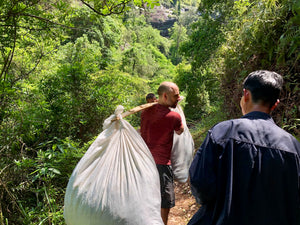
Our teas don't come from wholesale warehouses or unknown sources. We travel to the small producers we source from – whether it's a Japanese family tea garden, a Chinese mountain village or an oolong maker in Taiwan.
Stories
We meet them in person, learn their story, see how they care for their plants, and how they process the fresh leaves.
These experiences are the soul of our teas. This way, not only is the quality guaranteed, but also the fact that behind each cup there is a real person, a real story.

Direct
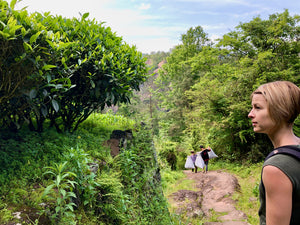
This direct relationship is valuable to us. Not only because of the excellent tea, but because we believe that trust, respect and personal presence are what make the tea drinking experience truly special.
Teavolution Tea Blog

Shincha - Japan's First Tea of Spring
Read more

What is shading in Japanese tea? | Matcha, Gyokuro, Kabusecha
Read more

Oct 2, 2025
Sencha tea
Read more

Sep 21, 2025
Matcha shortage in Japan
Read more
Mar 18, 2025
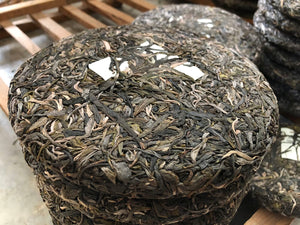
Puer tea, puerh or pu-erh
Read more
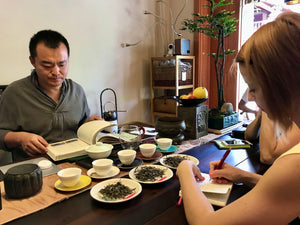
Mar 18, 2025
Types of tea
Read more
