


Long Jing 'Dragon Well' 'pack' 2026
Tax included
Shipping calculated at checkout
Long Jing (龙井茶 – Dragon Well) is the most famous Chinese green tea, produced in Zhejiang province, especially around Hangzhou. The tea is harvested early in spring from tender shoots, then pan-fried by hand, which gives it its characteristic flat shape and roasted yet fresh aroma.
You will receive 2*15 grams of tea to taste two categories of Long Jing tea from the same producer.
This batch comes from Mr. Lin's small family garden near Hangzhou, with whom we have had a direct relationship for several years. The 2026 harvest was particularly successful: the cool spring resulted in slow development, more intense aromas, and exceptional balance. The tea is among the early pickings, which is noticeable in its delicacy and purity.
During processing, the leaves are lightly roasted, preserving their freshness while developing buttery-nutty and floral notes – this is what makes Long Jing truly special.
Flavor Profile
-
Aroma: buttery, roasted pumpkin seeds, tender greens, jasmine flower
-
Taste: clean, softly sweet, nutty-green, with a slightly tart finish
-
Finish: long, refreshing, sweet minerality
Recommended Preparation
Asian style (gaiwan or small glass cup)
To highlight complexity and freshness
-
Tea quantity: 3–4 g per 100–120 ml of water
-
Water temperature: 75–80°C
-
Infusion times: starting from 15–30 seconds, gradually increasing
-
Multiple infusions: enjoyable 4–6 times
Tip: use a transparent glass vessel to enhance the experience – the leaves “stand” beautifully in the water.
Western style (cup or pot)
Convenient and reliable for daily preparation
-
Tea quantity: 3 g per 250 ml of water
-
Water temperature: 75–80°C
-
Steeping time: 1.5–2 minutes
-
Multiple infusions: 2–3 times
Cold brew – cold infusion
To highlight the fresh, sweet side – excellent as a summer refresher
-
Tea quantity: 5–6 g per 750 ml of cold water
-
Steeping time: 8–10 hours in the refrigerator
-
Flavor profile: cool green, honeyed, almondy refreshing drink
Personal contact
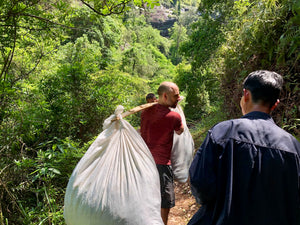
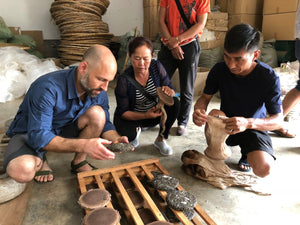
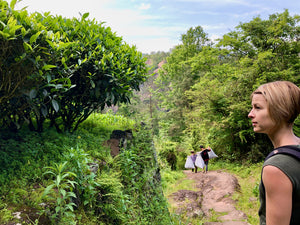
Our teas don't come from wholesale warehouses or unknown sources. We travel to the small producers we source from – whether it's a Japanese family tea garden, a Chinese mountain village or an oolong maker in Taiwan.
Stories
We meet them in person, learn their story, see how they care for their plants, and how they process the fresh leaves.
These experiences are the soul of our teas. This way, not only is the quality guaranteed, but also the fact that behind each cup there is a real person, a real story.
Direct
This direct relationship is valuable to us. Not only because of the excellent tea, but because we believe that trust, respect and personal presence are what make the tea drinking experience truly special.
Teavolution Tea Blog

Shincha - Japan's First Tea of Spring
Read more

What is shading in Japanese tea? | Matcha, Gyokuro, Kabusecha
Read more

Oct 2, 2025
Sencha tea
Read more
Sep 21, 2025
Matcha shortage in Japan
Read more
Mar 18, 2025
Puer tea, puerh or pu-erh
Read more
Mar 18, 2025
Types of tea
Read more
