
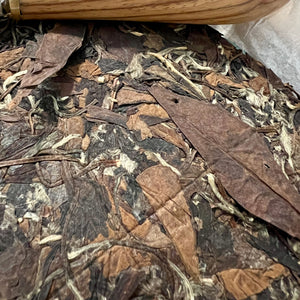


Shou Mei (寿眉 – “Long Life Eyebrow”) is a fuller-bodied version of white tea, containing not only buds but also older leaves and stems. This 2010/2011 batch comes from the Fujian province of China and has been naturally aged in a breezy, humid environment for over ten years.
During the aging process, the greenish, floral character of the tea developed into a deeper, more mature one. Light aromas were replaced by notes reminiscent of honey, dried fruit and soft woody tones. Oxidation increased slightly over the years, but the texture of the tea remained silky and clean.
This type of Shou Mei is particularly popular among gongfu tea drinkers: it can withstand many infusions and gradually releases its complex flavors. However, it can also be enjoyed in a simple way, even in a larger mug.
Flavor profile
-
Aroma: dried fruit, honey, fine moss, warm wood
-
Taste: soft and sweet, slightly spicy, honeyed, with a long finish
-
Body: full, silky
-
Finish: smooth, soothing, subtly woody
Preparation suggestions
🔹 Asian style (gaiwan or small pot)
-
Dosage: 5 g / 100 ml
-
Water temperature: 95–100 °C
-
Soaking time: 30–40 seconds at first, then gradually increased
-
Number of pours: up to 6–8 times
🔹 Western style (larger teapot or mug)
-
Dosage: 3–4 g / 250 ml
-
Soaking time: 4–5 minutes
-
Consecutive pours: 2–3
🔹 Cold brew
-
Dosage: 6–8 g / 1 liter of cold water
-
Soaking time: 8–12 hours in the refrigerator
-
Result: silky, slightly fruity and very smooth cup

Personal contact
Our teas don't come from wholesale warehouses or unknown sources. We travel to the small producers we source from – whether it's a Japanese family tea garden, a Chinese mountain village or an oolong maker in Taiwan.
Stories
We meet them in person, learn their story, see how they care for their plants, and how they process the fresh leaves.
These experiences are the soul of our teas. This way, not only is the quality guaranteed, but also the fact that behind each cup there is a real person, a real story.
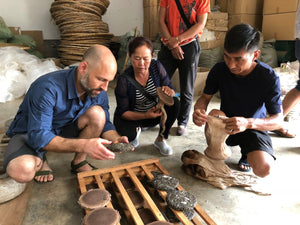

Direct
This direct relationship is valuable to us. Not only because of the excellent tea, but because we believe that trust, respect and personal presence are what make the tea drinking experience truly special.
Teavolution Tea Blog

Shincha - Japan's First Tea of Spring
Read more

What is shading in Japanese tea? | Matcha, Gyokuro, Kabusecha
Read more

Oct 2, 2025
Sencha tea
Read more

Sep 21, 2025
Matcha shortage in Japan
Read more
Mar 18, 2025
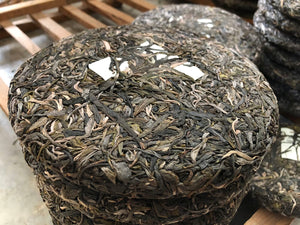
Puer tea, puerh or pu-erh
Read more
Mar 18, 2025
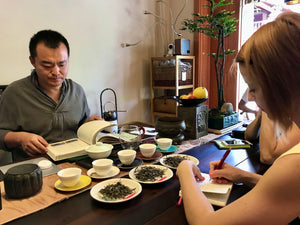
Types of tea
Read more
