

Nanzuo Lao Shengtai Sheng Puer 2016
Tax included
Shipping calculated at checkout
Nanzuo Shengtai (2016) – The flowery, silky face of Jingmai Mountain
The tea is harvested in early spring in Nanzuo Village, on the southern side of Jingmai Mountain. from a natural tea garden ( shengtai , about 50-year-old bushes). The leaves are collected by Zhang family processed it by hand and then pressed into a traditional disc. Nanzuo's microclimate gives a more delicate bitterness and a clean, fragrant character: silky body in the cup, floral-fruity aroma and a balanced, long, sweet finish.
In the first pours, the juice is clear and thick; the sip rolls “oily”, the floral aroma accompanied by light honey and fresh green notes. In the middle pours, a delicate Spicyness, a hint of pepperiness and associations of seeds and roasted grains emerge, while maintaining a creamy feel throughout. The aftertaste is long, sweet and floral, lingering in the throat with a pleasant aftertaste ( huigan ).
What does “shengtai” (natural tea garden) mean?
In Shengtai gardens, the spacing between plants is narrower, there are more shade trees, and nutrient supply is limited. and minimal plant protection. Not necessarily certified organic farming, but ecologically a more conscious approach that produces cleaner, more fragrant and more balanced ingredients.
Flavor profile
- Aroma: floral-honey, fresh green, with delicate grain notes.
- Sip: silky, medium body, “oily” texture, lively vitality.
- Taste: sweet opening, delicate spiciness and slight pepperiness, moderate bitterness and tart structure.
- Aftertaste: long, sweet-floral finish, persistent aftertaste .
Preparation suggestions
Gongfu (Asian style): 5–6 g / 100 ml, 95 °C. Short wake-up rinse optional. 1st–2nd pour 8–12 seconds, then gradually increase (15–25 seconds, later +10–15 seconds). It can also withstand 10+ pours.
Western style: 3 g / 250 ml, 92–95 °C, 2–3 minutes. You can infuse the same leaf 2–3 times.
Cold brew: 5 g / 500 ml filtered water, 6–8 hours in the refrigerator, then filter. Fresh, floral–sweet, caffeinated for a gentler drink.
Tip: if you want a softer cup, try around 90–92 °C; more character For extract, 92–95 °C works best.

Personal contact
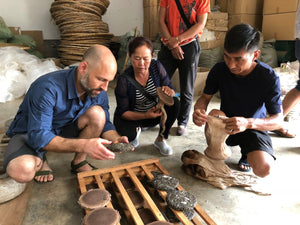
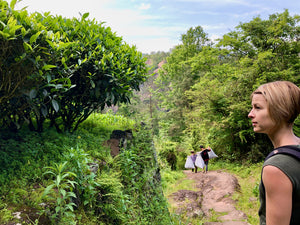
Our teas don't come from wholesale warehouses or unknown sources. We travel to the small producers we source from – whether it's a Japanese family tea garden, a Chinese mountain village or an oolong maker in Taiwan.
Stories
We meet them in person, learn their story, see how they care for their plants, and how they process the fresh leaves.
These experiences are the soul of our teas. This way, not only is the quality guaranteed, but also the fact that behind each cup there is a real person, a real story.
Direct
This direct relationship is valuable to us. Not only because of the excellent tea, but because we believe that trust, respect and personal presence are what make the tea drinking experience truly special.
Teavolution Tea Blog

Shincha - Japan's First Tea of Spring
Read more

What is shading in Japanese tea? | Matcha, Gyokuro, Kabusecha
Read more

Oct 2, 2025
Sencha tea
Read more

Sep 21, 2025
Matcha shortage in Japan
Read more
Mar 18, 2025
Puer tea, puerh or pu-erh
Read more
Mar 18, 2025
Types of tea
Read more
