

Matcha Kotobuki - Ceremonial grade 40g
Tax included
Shipping calculated at checkout
Kotobuki Uji Matcha – organic, light, silky
Kotobuki Uji matcha embodies the classic Kyoto style: clean, creamy. More restrained in umami, with a long, lingering, light aftertaste. “Kotobuki” means blessing and long life in Japanese – it is no coincidence that several tea producers use this poetic expression as the name of their matcha tea.
Origin & name
- Region: Uji, Kyoto Prefecture – Japan's historic matcha center, the cradle of chanoyu.
- “Kotobuki”: traditionally means “blessing/long life”; the name often denotes top quality in Japan.
Processing
- Raw material: shaded tencha, selected without fine veins and stems, then traditionally finely ground.
- Uji craft: the essence of modern matcha making: shading → picking → steaming and drying (tencha) → fine grinding; this refined Uji practice gives it its creamy texture and rich umami.
- Organic farming: the orchards work with chemical-free farming - clean, green flavors and a clean cup.
Flavor profile
- Aroma: fresh, sweet-green aromas, almond-pistachio overtones.
- Taste: full umami, creamy sweetness, delicately gentle, with minimal bitterness.
- Body: velvety, dense, round sip.
- Aftertaste: long-lasting, clean, elegant sweetness.
Recommended preparation
Tip: always sieve your matcha and use soft water.
Usucha (thin tea)
2 g (approx. 1.5–2 cups) matcha + 60–70 ml water 75–80 °C . Whisk in a circular motion for 15–20 seconds until smooth and uniform.

Personal contact
Our teas don't come from wholesale warehouses or unknown sources. We travel to the small producers we source from – whether it's a Japanese family tea garden, a Chinese mountain village or an oolong maker in Taiwan.
Stories
We meet them in person, learn their story, see how they care for their plants, and how they process the fresh leaves.
These experiences are the soul of our teas. This way, not only is the quality guaranteed, but also the fact that behind each cup there is a real person, a real story.
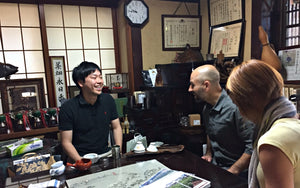

Direct
This direct relationship is valuable to us. Not only because of the excellent tea, but because we believe that trust, respect and personal presence are what make the tea drinking experience truly special.
Teavolution Tea Blog

What is shading in Japanese tea? | Matcha, Gyokuro, Kabusecha
Read more

Oct 2, 2025
Sencha tea
Read more

Sep 21, 2025
Matcha shortage in Japan
Read more
Mar 18, 2025
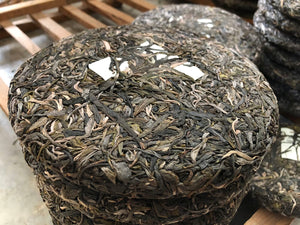
Puer tea, puerh or pu-erh
Read more
Mar 18, 2025
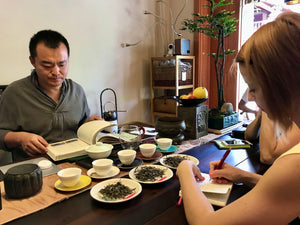
Types of tea
Read more
Mar 18, 2025
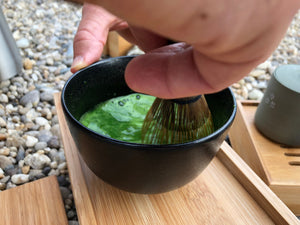
What is matcha tea?
Read more
