


Tsuyuhikari – from Yame, first processed as sencha: pure, fresh and sakura.
Detailed description
Producers: Masahiro Kuma (3rd generation) and Kazumi Nakatani (4th generation).
Origin: Yame, Fukuoka, Japan – high-altitude hilly plots.
Variety: Tsuyuhikari – this is the first time it has been used to make sencha on this estate.
Processing: steamed, rolled (sencha).
The family awaited the result with excitement and hope – and the cup delivered even more than expected: the unique character of the Tsuyuhikari variety is beautifully displayed in the sakura aroma , refreshing mouthfeel and deep umami . It is no coincidence that it quickly became one of our customers’ favorites.
Flavor profile and experience
- Color: vibrant emerald green, slightly opalescent.
- Aroma: creamy green, with coastal freshness and delicate cherry blossom.
- Taste: deep umami, slightly herbal, with floral aromas; at higher temperatures, the sakura notes are more pronounced.
- Texture: smooth, creamy.
Preparation instructions
Asian (hohin/kyusu – multiple short pours)
- Tea/water: 4g/120ml
- Water temperature: 65–70 °C (softer, umami-rich cup); 75–80 °C for a more vibrant, sakura aroma.
- 1st pour: 60–75 sec.
- 2nd pour: 10–15 seconds
- 3rd pour: 30–45 seconds (then gradually increase the time)
- Tip: soft, filtered water (low mineral content) gives the best texture and scent.
West
- Tea/water: 2–2.5 g/250 ml
- Water temperature: 75–80 °C
- Soaking: 2 minutes
- Re-soak: 1–2× 60–90 sec.
Cold brew
- Tea/water: 8 g/1 liter of cold, filtered water
- In the refrigerator: 6–8 hours
- Tip: Shake/swirl the bottle gently before drinking for a creamier body.
Unpacking and storage
100 g , in an aroma-sealed bag, packaged in Japan. Store in a cool place, protected from light. After opening, store tightly closed, preferably in the refrigerator; let it warm to room temperature before preparing.
Who do we recommend it to?
- Those who like fresh, umami senchas with floral-sakura aromas.
- For those looking for an everyday, yet special Japanese green tea.
- Even for tea drinkers with more sensitive stomachs, with its gentle, creamy feel.
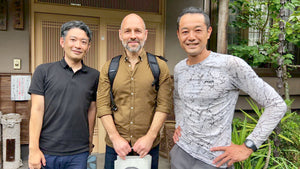
Personal contact
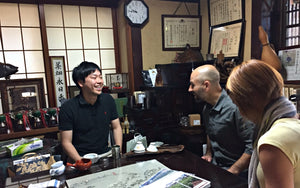
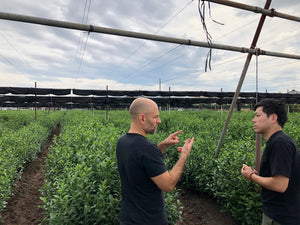
Our teas don't come from wholesale warehouses or unknown sources. We travel to the small producers we source from – whether it's a Japanese family tea garden, a Chinese mountain village or an oolong maker in Taiwan.
Stories
We meet them in person, learn their story, see how they care for their plants, and how they process the fresh leaves.
These experiences are the soul of our teas. This way, not only is the quality guaranteed, but also the fact that behind each cup there is a real person, a real story.
Direct
This direct relationship is valuable to us. Not only because of the excellent tea, but because we believe that trust, respect and personal presence are what make the tea drinking experience truly special.
Teavolution Tea Blog

Shincha - Japan's First Tea of Spring
Read more

What is shading in Japanese tea? | Matcha, Gyokuro, Kabusecha
Read more

Oct 2, 2025
Sencha tea
Read more
Sep 21, 2025
Matcha shortage in Japan
Read more
Mar 18, 2025
Puer tea, puerh or pu-erh
Read more
Mar 18, 2025
Types of tea
Read more
