


Its brew is a brilliant, deep emerald green, with a creamy, full texture, and its flavor combines fresh vegetal notes, soft florality, round umami, and natural sweetness.
This fukamushi sencha, named Senryu, originates from the Yame region in southern Japan, Fukuoka Prefecture. It is crafted under the guidance of tea master Masahiro Kuma and Kazumi Nakatani at the Kumaen family tea garden, which is over a hundred years old. The farm is primarily known for its exceptional gyokuros, but the same meticulous cultivation approach and processing expertise are evident in this rich sencha, enjoyable every day.
The perfect balance of two cultivars
The tea is a carefully crafted blend of two Japanese tea plant varieties. Yabukita imparts a clean, fresh aroma, delicate florality, and vibrant character, while Okuyutaka complements it with deeper umami, a denser body, and a lingering sweetness.
The plants are shaded for 11 days before harvest. Less sunlight allows the leaves to retain a softer, sweeter, and more umami-rich character. As a result, the tea is full-bodied and intense, yet without becoming heavy or overly marine-like.
- Origin: Yame, Fukuoka, Japan
- Producer: Yamecha Kumaen
- Tea Type: deep-steamed Japanese sencha
- Cultivars: Yabukita and Okuyutaka
- Harvest: First flush (spring)
- Shading: 11 days
What does fukamushi mean?
Fukamushi means "deep-steamed." The freshly picked leaves are steamed for a longer period than traditional sencha to stop oxidation. The longer steaming softens the leaves, causing them to break into smaller pieces during subsequent rolling.
Therefore, the appearance of the dry tea is finer and more fractured than that of a classic sencha. This is not a quality defect but a natural result of the fukamushi processing. The tiny leaf particles also enter the cup, making the brew opaque, vibrant green, and almost velvety in density.
Kumaen uses moderate deep-steaming for this tea: it breaks down the leaves just enough to achieve a rich body and soft flavors, while preserving the tea's aroma, clarity, and finer layers.
Creamy umami, florals, and subtle nutty warmth
The first sip is silky and full-bodied. Fresh spring vegetables, tender leaves, and soft umami emerge, followed by a floral sweetness and a subtly nutty, warm aroma. The latter comes from the more pronounced final heating process, or hiire, characteristic of Yame teas.
The tea's bitterness is subdued, its astringency fine and refreshing. The finish is clean, sweet, and lingers, making Senryu simultaneously offer the richness of a deep-steamed tea and the freshness of a high-quality mountain sencha.
- Aroma: fresh green leaves, florals, and subtle nutty notes
- Flavor: round umami, spring vegetables, and natural sweetness
- Texture: full, smooth, and creamy
- Brew: opaque, brilliant emerald green
- Finish: fresh, softly nutty, and recurrently sweet
The Kumaen family tea garden
Kumaen has been cultivating tea for over a hundred years in the mountainous Jōyōmachi area of Yame. The work of third-generation tea master Masahiro Kuma is managed and represented by Kazumi Nakatani, a member of the fourth generation of a tea farming family.
The garden has become particularly known for its traditional, hand-picked Yame gyokuros. One of their gyokuros won first place in the Japanese national tea competition in 2017, achieving a maximum score of 200 points. The Fukamushi Sencha is not a competition-grade gyokuro, yet it bears the expertise of the same workshop: precise shading, processing tailored to the raw material, and a carefully developed balance of flavors.
Who do we recommend it to?
For those who love intensely green, full-bodied, and umami-rich Japanese teas but do not crave the extreme concentration of gyokuro. Its low bitterness and gentle sweetness make it a friendly choice for those new to Japanese teas, while its rich texture and character built from cultivars offer plenty to explore for more experienced tea drinkers.
Kumaen Fukamushi Sencha doesn't keep a ceremonial distance; it invites you in. It's a rich yet easy-to-prepare tea that you'll gladly pour another cup of – whether on a quiet morning or in the slowing light of the afternoon.
Preparation suggestion
- Tea quantity: 5 g
- Water quantity: 150 ml
- Water temperature: 70–75 °C
- First infusion: 30–45 seconds
- Second infusion: 80 °C, 10–15 seconds
- Third infusion: 80–85 °C, 20–30 seconds
Due to the small leaf particles of fukamushi teas, we recommend using a Japanese kyusu with a fine filter. Pour out the tea completely with each infusion, and do not leave water on the leaves until the next steeping.
Cold brew
Place 8–10 g of tea in 500 ml of cold, soft water, then steep for 1–2 hours in the refrigerator. When cold brewed, the tea's floral sweetness, silky umami, and refreshing green character come to the fore, almost entirely free of bitterness.
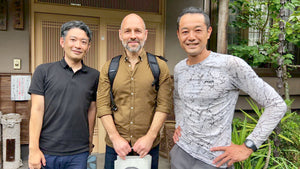
Personal contact
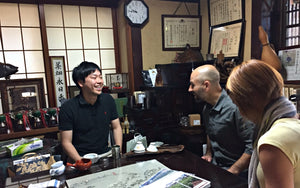
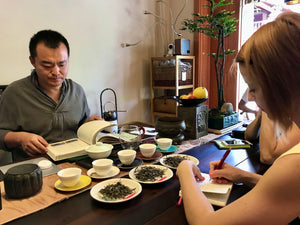
Our teas don't come from wholesale warehouses or unknown sources. We travel to the small producers we source from – whether it's a Japanese family tea garden, a Chinese mountain village or an oolong maker in Taiwan.
Stories
We meet them in person, learn their story, see how they care for their plants, and how they process the fresh leaves.
These experiences are the soul of our teas. This way, not only is the quality guaranteed, but also the fact that behind each cup there is a real person, a real story.
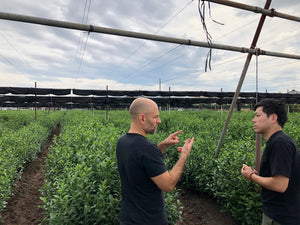
Direct
This direct relationship is valuable to us. Not only because of the excellent tea, but because we believe that trust, respect and personal presence are what make the tea drinking experience truly special.
Teavolution Tea Blog

Shincha - Japan's First Tea of Spring
Read more

What is shading in Japanese tea? | Matcha, Gyokuro, Kabusecha
Read more

Oct 2, 2025
Sencha tea
Read more

Sep 21, 2025
Matcha shortage in Japan
Read more
Mar 18, 2025
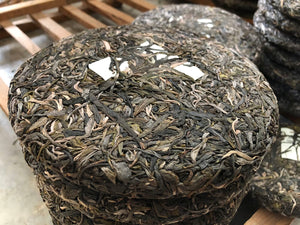
Puer tea, puerh or pu-erh
Read more
Mar 18, 2025
Types of tea
Read more
