


Jingmai Nanzuo Shai Hong – sun-ripened Yunnan red tea
This tea comes from Nanzuo Township, a village on Jingmai Mountain , and is made in the traditional Yunnan Shai Hong style: the leaves are dried in the sun , not with hot air. In Yunnan, sun-ripened red tea is called Shai Hong, while the classic version made with hot air drying is often called Dian Hong .
Why is sun-ripened black tea different?
The lower temperature of sunlight creates a completely different aroma profile than higher-temperature drying. The “chocolate-roasted” associations of black teas are often linked to reactions that occur more strongly at higher temperatures (e.g. Maillard reaction ). Sun-dried tea tends to have a more vibrant, cleaner, more penetrating feel – less “dessert” but much deeper in the mouth.
For many, Shai Hong is therefore a bridge between the world of classic black tea and pu-erh: it has the round sweetness of red tea, but at the same time it has a pu-erh-like, penetrating mouthfeel and a delicate, adult sour edge.
Flavor profile – what to expect?
- Aroma: clean, fruity-floral, less "chocolatey"
- Sip: lively, punchy, yet organized
- Texture: slightly pu-erh-like body, gummy, penetrating feel
- Tuning: subtle sourness + long-lasting sweetness
- Aftertaste: long, clean, sweetly lingering
Ripening ability
One of the beauties of Shai Hong is that it doesn't rush : over time, its aromas can refine and smooth out. If stored well, it can develop beautifully for several years - it's worth "setting it aside" and tasting it from time to time.
Preparation – 3 methods
1) Asian / gongfu (if you are looking for the “strong & soft” experience)
- Tea: 5g/100ml
- Water: 95°C
- 1st–3rd pour: very short (5–10 seconds) – giving a strong yet soft feel
- Additional casts: gradually lengthen (+5–10 sec)
2) Western (mug/jug)
- Tea: 2.5–3 g/250 ml
- Water: 90–95 °C
- Soaking: 2.5–4 minutes (taste at 2.5 minutes)
3) Cold brew (surprisingly good for this style)
- Tea: 6–8 g / 1 liter
- Time: 6–10 hours in the refrigerator
- Result: clean, sweet, delicately fruity, with soft tannins
Tip
If you have a Jianshui or other Yunnan clay pot, it's worth trying it: it often smooths out the edges nicely while preserving the strength of the tea.
Personal contact
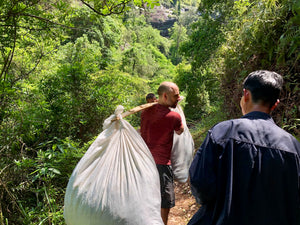
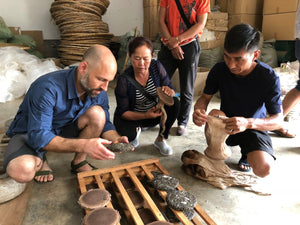
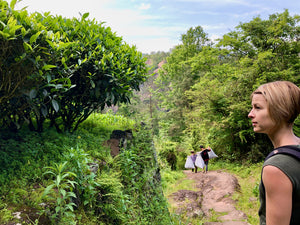
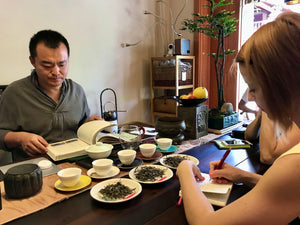
Our teas don't come from wholesale warehouses or unknown sources. We travel to the small producers we source from – whether it's a Japanese family tea garden, a Chinese mountain village or an oolong maker in Taiwan.
Stories
We meet them in person, learn their story, see how they care for their plants, and how they process the fresh leaves.
These experiences are the soul of our teas. This way, not only is the quality guaranteed, but also the fact that behind each cup there is a real person, a real story.
Direct
This direct relationship is valuable to us. Not only because of the excellent tea, but because we believe that trust, respect and personal presence are what make the tea drinking experience truly special.
Teavolution Tea Blog

Shincha - Japan's First Tea of Spring
Read more

What is shading in Japanese tea? | Matcha, Gyokuro, Kabusecha
Read more

Oct 2, 2025
Sencha tea
Read more

Sep 21, 2025
Matcha shortage in Japan
Read more
Mar 18, 2025
Puer tea, puerh or pu-erh
Read more
Mar 18, 2025
Types of tea
Read more
