
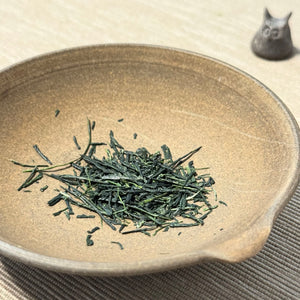


Gyokuro “Sou” – Sakamoto family, Shibushi (Kagoshima) – Saemidori
The name “Sou” (僧 – monk) refers to the area where, according to tradition, monks once cultivated the tea fields. The batch offers a dense umami, a milky-creamy sensation, delicate grainy aromas and a clean, refreshing finish.
Origin & processing
- Producer: Sakamoto Tea Farm - Shibushi, Kagoshima
- Cultivar: 100% Saemidori
- Shading: long, around ~20 days (depending on the batch), for high amino acid and umami content
- Steaming: light ( asamushi ) – for a clean, silky texture
- Picking: spring ichibancha
- Cultivation: JAS organic farming; careful hand picking
Taste and aroma profile
- Aroma: sweet-salty umami, creaminess, toasted grain/rice, delicate seafood (nori/kombu) tones
- Taste: rich dashi -spinach umami, edamame-spinach, almond cream; grainy notes with a soft caramel sweetness
- Body & texture: full, oily-creamy mouthfeel
- Finish: long, cleansing, refreshing, sweet-mineral aftertaste
When do we recommend it?
For quiet tastings, focus, and festive occasions. “Sou” showcases the purity and silkiness of modern organic gyokuro – with a delicate grainy-creamy character.
Preparation instructions
Gyokuro "essence" (shiboridashi/hohin)
- Tool: shiboridashi/hohin 60–100 ml
- Tea: 6–8 g
- Water: 50–60 °C (very soft water recommended)
- 1st pour: 90–120 sec.
- Additional pours: 15–30 seconds; water can be raised to 60–65 °C
- Result: a thick, silky-umami, “nectar-like” brew with a long sweet finish
“Sencha-style” (as everyday gyokuro)
- Device: kyusu 250–300 ml
- Tea: 3–4 g
- Water: 65–70 °C
- 1st pour: 60–90 sec; 2nd–3rd pour: 30–45 sec
- Result: a softer, fresher face, yet with a distinct umami flavor
Cooling methods
- Kōridashi (ice-drip): 6–8 g of tea, dripped over ice for 20–40 minutes to create a thick, deeply sweet extract
- Mizudashi (cold steeping): 8–10 g/l, 6–8 hours in the refrigerator; crystal clear, very low bitterness, silky drink
Tips & Pairing
- Water: low TDS (≈20–80 ppm) enhances umami and clarity
- Food pairing: lightly salty snacks (nori, toasted seeds), sashimi, fresh goat cheese
- Storage: Protected from light and odors, airtight; recommended to keep refrigerated after opening

Personal contact
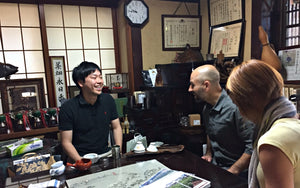
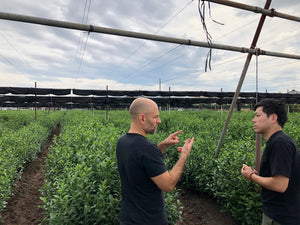
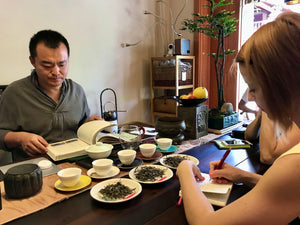
Our teas don't come from wholesale warehouses or unknown sources. We travel to the small producers we source from – whether it's a Japanese family tea garden, a Chinese mountain village or an oolong maker in Taiwan.
Stories
We meet them in person, learn their story, see how they care for their plants, and how they process the fresh leaves.
These experiences are the soul of our teas. This way, not only is the quality guaranteed, but also the fact that behind each cup there is a real person, a real story.
Direct
This direct relationship is valuable to us. Not only because of the excellent tea, but because we believe that trust, respect and personal presence are what make the tea drinking experience truly special.
Teavolution Tea Blog

Shincha - Japan's First Tea of Spring
Read more

What is shading in Japanese tea? | Matcha, Gyokuro, Kabusecha
Read more

Oct 2, 2025
Sencha tea
Read more

Sep 21, 2025
Matcha shortage in Japan
Read more
Mar 18, 2025
Puer tea, puerh or pu-erh
Read more
Mar 18, 2025
Types of tea
Read more
