

Aojirushi Matcha - 'Premium Culinary'
Tax included
Shipping calculated at checkout
Aojirushi - for Matcha latte (50 g)
Aojirushi is a matcha that you don't "just" taste, but use : It is specially selected for matcha latte , so it retains its character even with milk. It's creamy, greenly fresh, pleasantly full - and there's no need to tweak it: it simply works.
Packaging: 50 g – in a ziplock bag for convenient everyday use, and the aroma stays fresh longer.
What can you expect from it in a cup?
- Taste: green, creamy, with a slight nutty sweetness; harmonious in latte, not “straw-like”.
- Body: medium full – stays with milk, but not heavy.
- Finish: clean, fresh, slightly sweet.
Who do we recommend it to?
- If matcha latte is your thing (with oat, cow's or almond milk).
- If you want a reliable, everyday matcha that doesn't lose everything in milk.
- If you want good results quickly: minimal bitterness, maximum creaminess.
Preparation – matcha latte (hot)
- Matcha: 2 g (approx. 1 teaspoon) – worth sifting
- Water: 50–70 ml, 75–80 °C
- Milk: 180–220 ml (especially creamy with oat milk)
- Preparation: mix/foam the matcha with a little water until lump-free, then add the steamed or heated milk.
Iced matcha latte (iced)
- Matcha: 2 g
- Cold water: 60–80 ml
- Milk: 180–220 ml + ice
- Preparation: shake the matcha with water in a shaker or sealable bottle for 20–30 seconds, pour into a glass over ice, then top with milk.
Tips to keep it always creamy
- Sifting: 10 seconds, in return for a lump-free texture.
- Temperature: water that is too hot will bring out the bitterness more easily – keep it around 75–80 °C.
- Ratio: if you want a “stronger coffee feel,” go up to 2.5 g; if you want a milder one, 1.5–2 g is ideal.
Storage
- Keep in a dry, cool place, protected from light , always close the bag.
- After opening, it is recommended to consume within a few weeks for the best aroma.
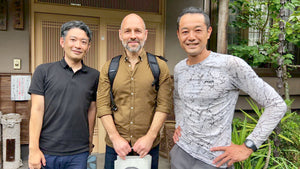
Personal contact
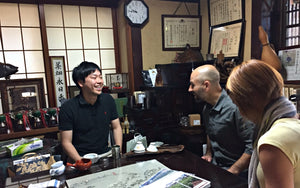
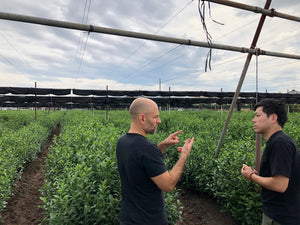
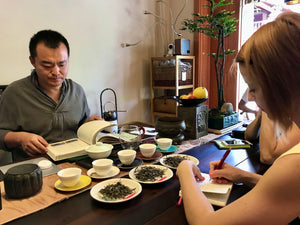
Our teas don't come from wholesale warehouses or unknown sources. We travel to the small producers we source from – whether it's a Japanese family tea garden, a Chinese mountain village or an oolong maker in Taiwan.
Stories
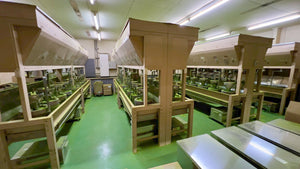
We meet them in person, learn their story, see how they care for their plants, and how they process the fresh leaves.
These experiences are the soul of our teas. This way, not only is the quality guaranteed, but also the fact that behind each cup there is a real person, a real story.
Direct
This direct relationship is valuable to us. Not only because of the excellent tea, but because we believe that trust, respect and personal presence are what make the tea drinking experience truly special.
Teavolution Tea Blog

Shincha - Japan's First Tea of Spring
Read more

What is shading in Japanese tea? | Matcha, Gyokuro, Kabusecha
Read more

Oct 2, 2025
Sencha tea
Read more
Sep 21, 2025
Matcha shortage in Japan
Read more
Mar 18, 2025
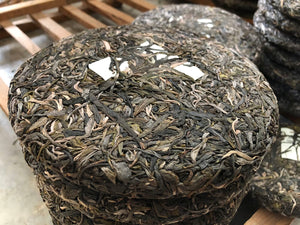
Puer tea, puerh or pu-erh
Read more
Mar 18, 2025
Types of tea
Read more
