


Ihachinouen Kabusecha (Shizuoka) — first flush, 14 days shaded • Okumidori
Ihachinouen tea garden's kabusecha, located on the hillsides of Aoi district overlooking the Abe River at an altitude of around 450m, combines the fresh sencha experience with a rounded umami reminiscent of gyokuro.
It is made from the first spring harvest of the plantation, which is cultivated with organic fertilizer, without pesticides or chemical fertilizers, after 14 days of shading — resulting in a silky smooth, sweet, and clean sip.
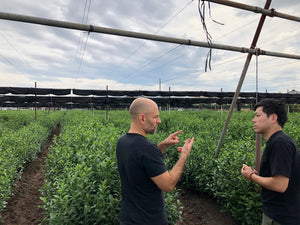
Balázs met the manager and tea producer of the tea garden in 2024. He works alone on the entire property. As a member of the young tea producer generation, it's a joy to see this tradition being passed on.
Several of his teas are available in our tea shop, including Wakocha, sencha, and even genmaicha, for which he also grows and roasts his own rice.
Origin & processing
- Region: Ushizuma, Aoi-ku, Shizuoka City (Honyama region).
- Producer: Ihachinouen (Ihachi Farm), a family farm for over 100 years.
- Raw material: 2026 ichibancha (first flush), Okumidori tea cultivar.
- Shading: 14 days (with kanreisha net), before harvest.
- Style: semi-shaded green tea (kabusecha) — sencha freshness + gyokuro umami.
Flavor profile
- Aroma: fresh spring green, steamed spinach, light nutty undertone.
- Taste: round, umami, low bitterness; sweet algal–mineral notes, green spiciness.
- Finish: long, clean, cool sweet sensation, with delicate silkiness.
Recommended preparation
With Japanese (kyusu) teapot or hohin
- 5 g tea / 200 ml soft water
- 1st infusion: 70–75 °C, 60–90 sec
- 2nd infusion: 15–20 sec (slightly warmer water); 3rd infusion: 45–60 sec
Western method
- 3 g tea / 250 ml
- 75–80 °C, 90–120 sec
- Second infusion: +30–40 sec
Cold brew
- 8–10 g tea / 1 liter
- In the refrigerator for 6–8 hours
- Result: crystal clear, sweet-umami cup, with minimal bitterness.
Packaging & information
- Cultivar: Okumidori
- Harvest: 2026 ichibancha
- Recommendation: soft, low-mineral water; fine-mesh filter for full leaf expansion.
Note: Ratios are guidelines; adjust according to water, equipment, and taste. For shaded teas, excessively high temperatures can enhance bitterness – it's advisable to start in the 70–75 °C range.
About Ihachi Farm
Ihachi Farm is a family tea farm in Japan that has been operating for 15 generations. Takuya Shigeta now works with his father and mother: the family grows, processes, and sells their teas themselves. The farm's name comes from Takuya's grandfather's name, and this family heritage has been carried on ever since.
Ihachi Farm transitioned to organic tea farming 27 years ago. They do not use agricultural chemicals or pesticides; their goal is to ensure that their teas can be drunk without worry. The farm has JAS organic certification, and all work processes are precisely documented: the time of harvest, the area, the machinery, the batch number, and the processed quantity.
For Takuya Shigeta, organic farming is not just a method but a philosophy: living in harmony with nature, accepting that insects, wild animals, and plants are all part of the same landscape. This approach gives Ihachi teas their unique, clean, and honest character.
Ihachi Kabusecha
Ihachi kabusecha is made from tea leaves shaded for approximately two weeks before harvest. The restriction of light gives the leaves a deeper green color and concentrates their umami. This tea is particularly full-bodied, mellow, and deeply flavored; it is recommended for those who seek a silkier, sweeter, and more umami-rich character in Japanese green teas.

Personal contact
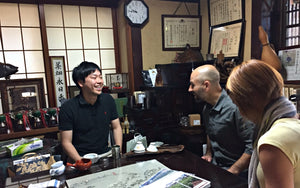
Our teas don't come from wholesale warehouses or unknown sources. We travel to the small producers we source from – whether it's a Japanese family tea garden, a Chinese mountain village or an oolong maker in Taiwan.
Stories
We meet them in person, learn their story, see how they care for their plants, and how they process the fresh leaves.
These experiences are the soul of our teas. This way, not only is the quality guaranteed, but also the fact that behind each cup there is a real person, a real story.
Direct
This direct relationship is valuable to us. Not only because of the excellent tea, but because we believe that trust, respect and personal presence are what make the tea drinking experience truly special.
Teavolution Tea Blog

Shincha - Japan's First Tea of Spring
Read more

What is shading in Japanese tea? | Matcha, Gyokuro, Kabusecha
Read more

Oct 2, 2025
Sencha tea
Read more

Sep 21, 2025
Matcha shortage in Japan
Read more
Mar 18, 2025
Puer tea, puerh or pu-erh
Read more
Mar 18, 2025
Types of tea
Read more
