
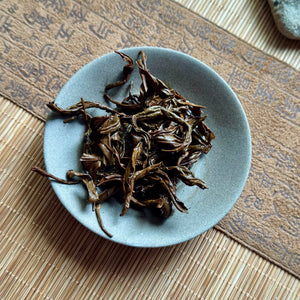


What is this tea?
The Moonlight (often called Yue Guang in Chinese) style originates from Yunnan Province (Jinggu/Lincang region), from large-leaf Camellia sinensis var. assamica varieties. The black (hongcha) version, like the “moonlight” white teas, begins with a gentle, long withering process, protected from light, and is then fully oxidized and air-dried. The result: a full, yet silky texture, honey-fruity aromas and a clean, bright cup color.
Origin & processing
- Origin: Yunnan, China (classically Jinggu/Lincang area)
- Raw material: large-leaf Yunnan tea varieties ( assamica )
- Method: long withering, protected from light → full oxidation → air-dried (Moonlight style as black)
Flavor profile
- Aroma: cane sugar, flower honey, dried apricots
- Taste: honeyed sweetness, apricot/longan-like fruitiness, subtle maltiness
- Body: silky, “soft” full
- Finish: clean, honeyed, malty.
Recommended for kombucha
Pure, flavorful black tea is the most stable source of nutrients for the "SCOBY," and the natural sweetness of the Moonlight style makes for a particularly harmonious kombucha. Avoid flavored, oily teas.
50 gram pack, in an aroma-sealed bag.
Preparation instructions
Asian (gongfu)
- Tea: 5 g / 100 ml gaiwan or small pot
- Water: 95°C
- Infusions: 1. 15–20 seconds, then gradually increase (8–10 short rounds also work well)
West
- Tea: 2.5–3 g/250 ml
- Water: 95°C
- Time: 2.5–3.5 minutes (shorter is better to maintain the silky sweetness)
Cold brew
- Tea: 8–10 g / 1 liter of cold water
- Refrigerator: 8–10 hours
- Result: a clean, honey-sweet, slightly fruity, low-bitter drink

Personal contact
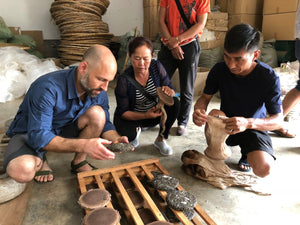
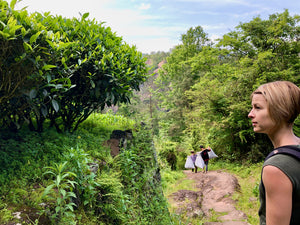
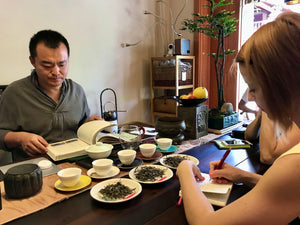
Our teas don't come from wholesale warehouses or unknown sources. We travel to the small producers we source from – whether it's a Japanese family tea garden, a Chinese mountain village or an oolong maker in Taiwan.
Stories
We meet them in person, learn their story, see how they care for their plants, and how they process the fresh leaves.
These experiences are the soul of our teas. This way, not only is the quality guaranteed, but also the fact that behind each cup there is a real person, a real story.
Direct
This direct relationship is valuable to us. Not only because of the excellent tea, but because we believe that trust, respect and personal presence are what make the tea drinking experience truly special.
Teavolution Tea Blog

Shincha - Japan's First Tea of Spring
Read more

What is shading in Japanese tea? | Matcha, Gyokuro, Kabusecha
Read more

Oct 2, 2025
Sencha tea
Read more

Sep 21, 2025
Matcha shortage in Japan
Read more
Mar 18, 2025
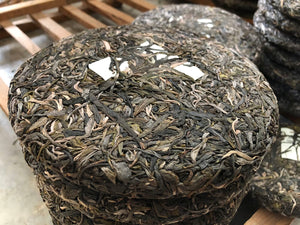
Puer tea, puerh or pu-erh
Read more
Mar 18, 2025
Types of tea
Read more
