
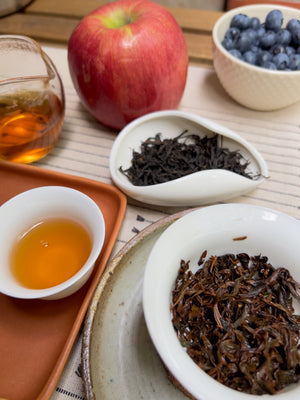


'Fruity' Zheng Shan Xiao Zhong red tea
Tax included
Shipping calculated at checkout
Zheng Shan Xiao Zhong (Lapsang Souchong) Tea: Non-Smoky Version, with extra fruity aroma
Introduction
Zheng Shan Xiao Zhong, also known as Lapsang Souchong, is one of the "oldest known black teas" in the world. It comes from the Wuyi Mountains in Fujian Province, China, and is generally known for its smoky flavor, which is achieved by drying the tea leaves over pine wood. There is also a smoked version that is delicious and of excellent quality, which can also be found here. The unsmoked version is the most popular, due to its natural sweetness and rich flavor profile. That's what we're writing about now.
Origin and Cultivation
Unsmoked ZSXZ (Lapsang Souchong) is grown in the Wuyi Mountains, particularly in the Tongmu Guan area. This region is renowned for its ideal tea growing conditions, including high altitude, rich forest cover and year-round fog, which contribute to the unique characteristics of the tea. The wild tea bushes, which grow at an altitude of around 1,300 meters, benefit from mineral-rich soil and pure mountain water. These conditions, along with traditional farming methods that avoid the use of artificial fertilizers and pesticides, ensure the high quality of the tea.
Characteristics and Flavor Profile
Unlike the smoked version, unsmoked Lapsang Souchong allows the natural flavors of the tea leaves to shine through.
This tea is known for its sweet, fruity notes, often compared to dried lychee, honey and caramel. The tea has a smooth, full-bodied texture with notes of sweet potato and malt. Its complex flavor profile appeals to both casual tea drinkers and tea enthusiasts.
Processing
- Wilting : Freshly picked leaves are spread out in the shade to reduce their moisture content.
- Rolling: The wilted leaves are rolled to release the juices that aid oxidation and develop the excellent flavor. Therefore, it is not advisable to pour out the red tea's steeping water, you should drink it because it is very delicious.
- Oxidation : The rolled, twisted leaves are allowed to oxidize until they turn a copper-red color and emit a fragrant aroma.
- Drying : Finally, the leaves are dried without smoking, preserving their natural sweetness and complex flavors.
Preparation Guide - How to make fruity zheng shan?
To make the perfect cup of fruity lapsang tea, follow these steps:
- Water Temperature : Use water at about (90°C).
- Tea to Water Ratio : For standard brewing, use 1 gram of tea to 50 milliliters of water. For Gongfu-style brewing, use 1 gram of tea to 20 milliliters of water.
- Steeping Time : Steep the tea for 3-4 minutes. For Gongfu-style brewing, start with a 5-second steeping time and add 5 seconds for each subsequent steeping.
- How to consume: Pour the tea into a cup and enjoy its rich, sweet and fruity flavors.
Health Benefits
Lapsang Souchong, like many other red (black) teas, has many health benefits. It is rich in antioxidants that help fight free radicals in the body. Regular consumption can improve digestion, promote cardiovascular health, and strengthen the immune system. It also has a stimulating effect, containing caffeine.
Summary
The fruity Zheng Shan Xiao Zhong tea offers a pleasant alternative to the traditional smoked Lapsang Souchong. Its sweet, complex flavor profile and rich history make it highly regarded among tea connoisseurs. Whether you are a casual drinker or a tea enthusiast, this tea offers a unique and enjoyable experience.
Tasting Notes
When tasting fruity Zheng Shan, unsmoked Lapsang Souchong tea, the following flavor notes appear:
- Fruity Notes : Sweet, fruity flavors of dried longan, plum and honey dominate.
- Sweet Notes : Caramel and sweet potato notes that enrich the taste experience.
- Malt Notes : Subtle malt notes complete the flavor profile.
- Body : The tea has a smooth, full-bodied texture, which provides a long-lasting, satisfying finish.
☕ Preparation suggestions
1. Asian style (gaiwan, yixing pot):
-
5 g tea / 100 ml water
-
90–95°C
-
First pour : 10–15 seconds, then gradually increase
-
Multiple pours : can be enjoyed 5–7 times
➡️ The first brews are sweeter, later the spicier side comes out a bit
2. Western style (in a cup or jug):
-
4–5 g / 250 ml water
-
90–95°C
-
Soak for 2–3 minutes
-
Can be poured multiple times – the second brew is often even sweeter than the first
3. Cold brew:
-
5 g tea / 500 ml water
-
Soak for 6–8 hours in the refrigerator
-
Result : a light, fruity, surprisingly silky cold drink
🎯 Who do we recommend it to?
This tea is a particularly good choice if:
-
You are now familiar with Chinese red teas and are looking for a non-smoky, light batch.
-
You like dried fruit, sweeter characters
-
You enjoy teas that are both soothing and inspiring.
-
Are you looking for an alternative to the classic dessert – this tea is a real experience in itself

Personal contact
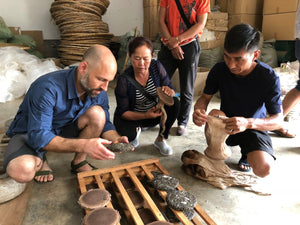
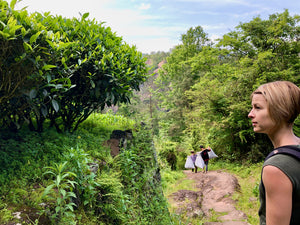
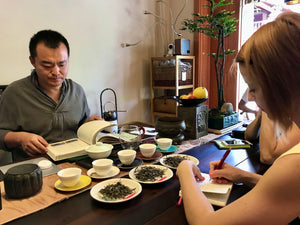
Our teas don't come from wholesale warehouses or unknown sources. We travel to the small producers we source from – whether it's a Japanese family tea garden, a Chinese mountain village or an oolong maker in Taiwan.
Stories
We meet them in person, learn their story, see how they care for their plants, and how they process the fresh leaves.
These experiences are the soul of our teas. This way, not only is the quality guaranteed, but also the fact that behind each cup there is a real person, a real story.
Direct
This direct relationship is valuable to us. Not only because of the excellent tea, but because we believe that trust, respect and personal presence are what make the tea drinking experience truly special.
Teavolution Tea Blog

Shincha - Japan's First Tea of Spring
Read more

What is shading in Japanese tea? | Matcha, Gyokuro, Kabusecha
Read more

Oct 2, 2025
Sencha tea
Read more

Sep 21, 2025
Matcha shortage in Japan
Read more
Mar 18, 2025
Puer tea, puerh or pu-erh
Read more
Mar 18, 2025
Types of tea
Read more
