


Bergamot Black – when the depth of Taiwanese red tea meets the clean, sunny character of bergamot. This blend is made with dried bergamot citrus peel pieces and, most importantly, is free of aroma . What you feel in the cup is the natural richness of the tea and the subtle citrus glow born from the peel’s real essential oils.
- Taiwanese red tea base – round, smooth, full body that beautifully carries the citrus freshness.
- A balanced experience – refreshing but not loud; elegant but not aloof.
Flavor profile – what to expect?
- Aroma: freshly grated citrus peel, slight florality, pure tea warmth.
- Taste: silky, malty-tea base, topped with the delicate bitterness and fresh citrus of bergamot.
- Aftertaste: long-lasting, clean, slightly spicy-citrusy finish.
Preparation – to show your best side
Western preparation (mug/teapot)
- Dosage: 2–3 g / 250 ml
- Water: 90–95 °C
- Time: 3–4 minutes
- Tip: if you want to emphasize the citrus flavor, stick to a shorter soak.
Asian / Gongfu style preparation
- Dosage: 5 g / 100 ml
- Water: 90–95 °C
- Time: 10–15 seconds for the first few pours, then gradually increase
- Experience: layer by layer, it unfolds the depth of tea and the elegant freshness of bergamot.
Cold brew
- Dosage: 6–8 g / 1 liter
- Time: 6–10 hours in the refrigerator
- Tip: crystal clear, refreshing, “citrus iced tea” vibe – without added flavorings.
Who do we recommend it to?
- If you're looking for a refreshing yet deep red tea for breakfast, afternoon focus, or evening unwind.
- If you drink tea that is both elegant and easy to love .
Note: the bergamot peel pieces behave naturally in the pour; sometimes they “dance” on the surface – this is one of the most beautiful, living signs in the cup that we are working with real ingredients.
Personal contact
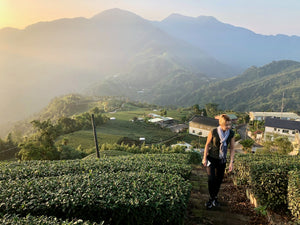
Our teas don't come from wholesale warehouses or unknown sources. We travel to the small producers we source from – whether it's a Japanese family tea garden, a Chinese mountain village or an oolong maker in Taiwan.
Stories
We meet them in person, learn their story, see how they care for their plants, and how they process the fresh leaves.
These experiences are the soul of our teas. This way, not only is the quality guaranteed, but also the fact that behind each cup there is a real person, a real story.
Direct
This direct relationship is valuable to us. Not only because of the excellent tea, but because we believe that trust, respect and personal presence are what make the tea drinking experience truly special.
Teavolution Tea Blog

Shincha - Japan's First Tea of Spring
Read more

What is shading in Japanese tea? | Matcha, Gyokuro, Kabusecha
Read more

Oct 2, 2025
Sencha tea
Read more

Sep 21, 2025
Matcha shortage in Japan
Read more
Mar 18, 2025
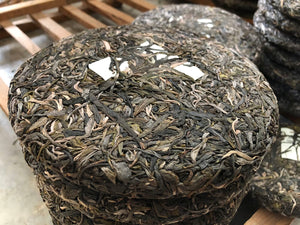
Puer tea, puerh or pu-erh
Read more
Mar 18, 2025
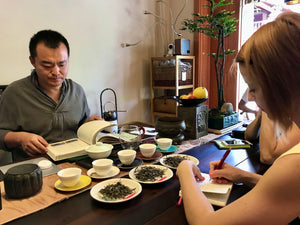
Types of tea
Read more
